
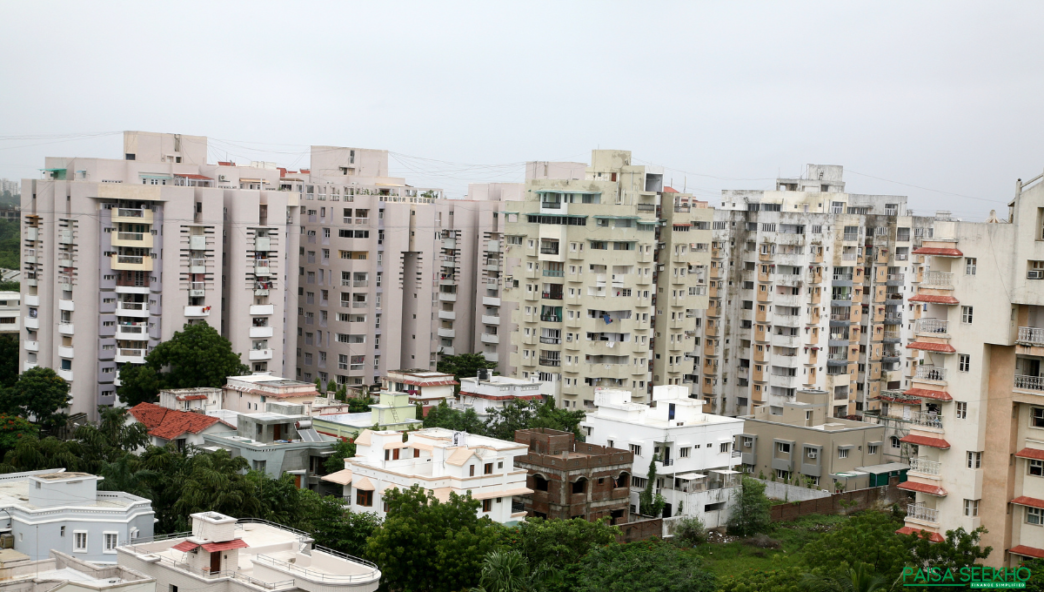
Owning a home is a dream for many Indians, but the rising cost of living in urban areas makes saving for a downpayment a challenge. If you’re aiming to buy a house worth ₹1 crore, a 20% downpayment of ₹20 lakh is required. Saving this amount might seem daunting, but with the right strategies, financial discipline, and smart investments, you can make it achievable. Let’s go through practical tips and insights on how to save for a ₹20 lakh downpayment, considering the realities of living in urban India.
Step 1: Set a Target and Timeline
The first step to saving is defining your target and creating a timeline. Let’s say you plan to buy a house in 5 years. You’ll need to save ₹4 lakh per year or approximately ₹33,333 per month. This clarity helps you break your goal into manageable chunks.
Step 2: Create a Budget Aligned to Urban Living
In urban India, where living expenses can eat into your income, budgeting is crucial. Follow the 50-30-20 rule for income allocation:
- 50% for Essentials: Rent, groceries, utilities, transportation.
- 30% for Lifestyle: Entertainment, dining out, hobbies.
- 20% for Savings: Direct this entirely toward your downpayment goal.
Example Budget (₹1 Lakh Monthly Income, Family)
Here’s how to save for a 20 lakh downpayment when you earn ₹1,00,000:
Income: ₹1,00,000
Rent: ₹25,000
Transportation: ₹6,000
Groceries & Utilities: ₹10,000
Healthcare: ₹3,000
Personal Care/Miscellaneous: ₹6,000
Entertainment/Dining Out: ₹5,000
Savings: ₹45,000
This budget assumes a mid-level salary in an urban city and allocates a significant portion (45%) to savings, which aligns with the goal of saving for a ₹20 lakh downpayment. Adjustments can be made based on personal circumstances, such as sharing rent or reducing discretionary expenses to boost savings further.
Example Budget (₹70,000 Monthly Income, Single Professional)
Here’s how to save for a 20 lakh downpayment when you earn ₹70,000:
- Income: ₹70,000
- Rent: ₹15,000
- Transportation: ₹5,000
- Groceries & Utilities: ₹8,000
- Healthcare: ₹2,000
- Personal Care/Miscellaneous: ₹5,000
- Entertainment/Dining Out: ₹5,000
- Savings: ₹30,000
Adjust this ratio based on your specific income and expenses, prioritising savings over discretionary spending.
Step 3: Automate Savings
Automating your savings ensures consistency. Set up an automatic transfer of ₹20,000-₹25,000 monthly to a dedicated account. This removes the temptation to spend the money elsewhere.
Step 4: Choose the Right Savings and Investment Instruments
With a 5-year timeline, a mix of low-risk and moderate-risk options works best.
1. Recurring Deposits (RDs)
- Why Choose: RDs encourage disciplined monthly savings.
- Expected Returns: 6%-7% annually.
- Example: Save ₹15,000 monthly in an RD for 5 years to accumulate approximately ₹10.5 lakh with interest.
2. Equity Mutual Funds (SIPs)
- Why Choose: For potential returns higher than inflation.
- Expected Returns: 10%-12% annually.
- Example: Invest ₹10,000 monthly in a SIP for 5 years to build approximately ₹8 lakh.
3. Debt Mutual Funds
- Why Choose: Safer than equities, ideal for short-term goals.
- Expected Returns: 6%-8% annually.
- Example: Invest ₹5 lakh in a debt fund to grow to around ₹6.5 lakh in 5 years.
4. Fixed Deposits (FDs)
- Why Choose: Secure with guaranteed returns.
- Expected Returns: 6%-7% annually.
- Example: Park ₹2 lakh as a lump sum in an FD to accumulate approximately ₹2.7 lakh in 5 years.
Step 5: Control Lifestyle Inflation
As your income increases, it’s tempting to upgrade your lifestyle. Avoid lifestyle inflation by sticking to your budget and redirecting raises or bonuses toward your savings goal. For example, if you receive a ₹50,000 annual bonus, invest it in a high-yield savings instrument.
Step 6: Supplement Income with Side Hustles
In urban India, side hustles like freelancing, teaching online, or offering consulting services can boost your income. Even an extra ₹10,000 monthly can contribute ₹6 lakh in 5 years toward your downpayment.
Step 7: Reduce Big-Ticket Expenses
Look for ways to cut back on significant expenses:
- Rent: Consider moving to a slightly smaller or more affordable house.
- Transportation: Use public transport or carpool to save on fuel and maintenance.
- Dining Out: Limit eating out to twice a month and cook more meals at home.
- Vacations: Opt for budget-friendly getaways and use the savings for your downpayment.
Step 8: Track and Adjust Regularly
Review your progress every six months. If you’re falling short, adjust your budget or increase investments. Use apps like Mint or YNAB to track expenses and savings efficiently.
Practical Example: 5-Year Saving Plan
Here’s a hypothetical plan for a ₹20 lakh goal:
| Instrument | Monthly Contribution | Total Contribution | Estimated Value (5 Years) |
| Recurring Deposit | ₹15,000 | ₹9 lakh | ₹10.5 lakh |
| SIP in Equity Mutual Funds | ₹10,000 | ₹6 lakh | ₹8 lakh |
| Fixed Deposit (Lump Sum) | ₹2 lakh (one-time) | ₹2 lakh | ₹2.7 lakh |
| Total | – | ₹17 lakh | ₹21.2 lakh |
This diversified approach not only achieves the goal but also provides a cushion for unforeseen expenses.
Tips for Staying Motivated
- Visualise Your Home: Keep a picture of your dream house as a motivation reminder.
- Celebrate Milestones: Reward yourself for hitting smaller savings milestones.
- Involve Family: If you’re married, align financial goals with your partner for better results.
Conclusion
Saving ₹20 lakh for a house downpayment may seem intimidating, but with discipline, the right financial instruments, and smart budgeting, it’s entirely achievable. Your 5-year savings journey will not only help you buy your dream home but also instil lifelong financial habits. Start today, stay committed, and watch your dream take shape brick by brick!
FAQs on how to save for a ₹20 Lakh Downpayment for a House
How long will it take to save ₹20 lakh for a downpayment?
The time required depends on how much you save monthly. For instance:
- If you save ₹40,000 per month: It will take approximately 4 years and 2 months.
- If you save ₹25,000 per month: It will take 6 years and 8 months.
You can reduce this timeline by increasing your savings rate or investing in higher-yield financial instruments like mutual funds or fixed deposits.
How much of my monthly income should I save for a downpayment?
It’s recommended to save at least 30-50% of your income for a downpayment if it’s a priority goal. For example, if you earn ₹1,00,000 monthly, saving ₹30,000-₹50,000 can help you reach your target faster. Adjust your expenses to accommodate this savings rate by prioritising needs over wants.
What are the best savings instruments for a house downpayment?
Here are some options to consider:
- Recurring Deposits: Ideal for risk-averse individuals with consistent returns.
- Debt Mutual Funds: Offers better returns than fixed deposits with moderate risk.
- Equity Mutual Funds: Suitable for long-term goals (5+ years) due to higher growth potential.
- Public Provident Fund (PPF): Provides tax benefits and safe returns, though it has a lock-in period.
- High-Interest Savings Accounts: Provides liquidity and steady, though lower, interest.
Should I invest in equity for a downpayment goal?
If your goal is 5+ years away, equity investments like mutual funds or index funds can be beneficial due to their potential for higher returns. However, for shorter time frames (less than 5 years), stick to low-risk instruments like fixed deposits or debt funds to safeguard your principal.
How do I cut down on expenses to save more?
Here are practical ways to reduce expenses:
- Rent: Opt for shared accommodations or move to a more affordable locality.
- Transportation: Use public transport or carpool instead of private vehicles.
- Dining Out: Limit eating out to special occasions and cook meals at home.
- Subscriptions: Cancel unused memberships or switch to shared accounts.
- Shopping: Adopt a minimalistic approach and buy essentials during sales.
How can I automate my savings for a downpayment?
Automation ensures disciplined savings. Here’s how:
- Set up an automatic transfer to a dedicated savings account or recurring deposit right after your salary is credited.
- Use apps like Mutual Fund SIPs (Systematic Investment Plans) to invest a fixed amount monthly.
- Create a dedicated bank account for your downpayment savings to avoid accidental spending.
Should I include bonuses and incentives in my downpayment fund?
Yes, bonuses and incentives can give a significant boost to your savings. For example:
- If you save ₹25,000 monthly and receive an annual bonus of ₹2 lakh, you can reduce your timeline by approximately 6-8 months. Treat such windfalls as opportunities to strengthen your fund.
What role does an emergency fund play when saving for a downpayment?
An emergency fund acts as a financial cushion, ensuring you don’t dip into your downpayment savings for unforeseen expenses like medical emergencies or job loss. Aim to save 3-6 months’ worth of expenses in a liquid account before aggressively pursuing your downpayment goal.
Is it better to prepay existing loans or save for a downpayment?
It depends on your loan’s interest rate:
- High-interest loans (e.g., credit cards or personal loans): Prioritise paying these off first as their interest rates are higher than most investment returns.
- Low-interest loans (e.g., education loans): You can focus on saving for a downpayment while continuing EMIs since their cost is manageable.
What are the tax benefits of saving for a house downpayment?
While saving for a downpayment doesn’t directly offer tax benefits, certain investments do:
- PPF: Contributions qualify for tax deductions under Section 80C.
- Equity-Linked Savings Schemes (ELSS): Offers tax benefits under Section 80C.
- Tax-Saving FDs: Provide Section 80C deductions with a 5-year lock-in.
Additionally, once you purchase the property, you can claim tax deductions on home loan interest (Section 24) and principal repayment (Section 80C).