
For generations, buying precious metals has been deeply woven into our culture. Whether it is Dhanteras, Diwali, a wedding, or the birth of a child, bringing home silver coins, heavy anklets, or silver utensils is considered a sign of prosperity and good luck.
However, as much as we love physical silver, it comes with a massive set of problems. It turns black over time (tarnishes), takes up too much space in our bank lockers, and worst of all, when we go back to the jeweler to sell it in an emergency, they deduct “making charges” and “wastage,” leaving us with much less money than we expected.
Welcome to the smartphone era. Just as we moved from carrying heavy cash wallets to scanning UPI QR codes, the way we buy precious metals has changed. The new, modern, and hassle-free way to invest is Digital Silver.
In this comprehensive guide, we will break down exactly what digital silver is, why it is becoming one of the most talked-about investments, the hidden risks you need to watch out for, and exactly how you can start investing today with as little as ₹100.
1. What Exactly is Digital Silver?
Digital silver is exactly what it sounds like: real, pure silver that you buy and hold online.
It is important to understand that digital silver is not a cryptocurrency, and it is not imaginary money. When you buy digital silver through a trusted app or platform, the company takes your money and buys actual, physical silver of the highest purity (99.9% fine silver).
This physical silver is then stored under your name in highly secure, professional, and fully insured vaults (similar to high-tech bank lockers) managed by trusted custodians.
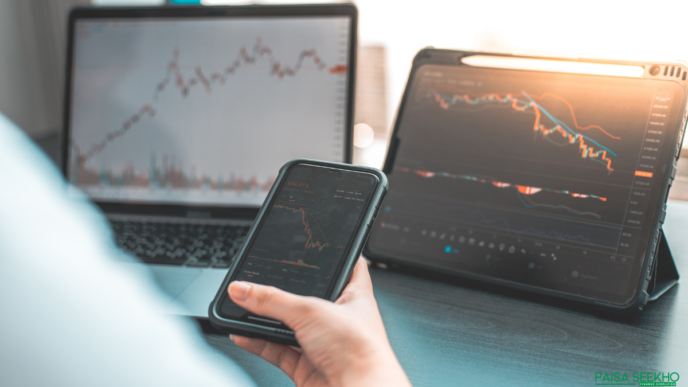
Your smartphone app simply acts as a digital receipt or a passbook. It shows you exactly how many grams of silver you own and what its current market value is. You get all the financial benefits of owning silver, but you never have to worry about where to hide it, how to clean it, or fear that it might get stolen.
The Magic of Fractional Ownership
With physical silver, you usually have to save up a decent amount of money to buy a 10-gram coin or a 1-kilogram bar. Digital silver introduces the concept of “fractional ownership.” Because the physical silver is safely locked in a vault, the digital platform allows you to buy tiny fractions of it. You do not need to buy a whole coin; you can simply buy ₹100 worth of silver, or even ₹10 worth of silver, based on the live market price.
2. Why is Everyone Talking About Silver Right Now?
Gold always seems to steal the spotlight, but silver has a secret superpower that gold does not possess: Silver is both a precious metal and an industrial metal. While gold is mostly sitting in bank vaults or worn as jewelry, silver is out there working in the real world. Over 50% to 60% of the world’s silver is used in industrial applications, and the demand is skyrocketing because of the technologies of the future.
Here is why the demand for silver is booming:
- Electric Vehicles (EVs): The world is shifting away from petrol and diesel. Electric vehicles are basically giant computers on wheels. Because silver is the most conductive metal on earth, an average EV uses almost twice as much silver for its electrical connections and battery systems compared to a traditional car.
- Solar Energy: As countries push for green energy to fight climate change, solar panels are being installed on rooftops and vast farms globally. Every single solar panel requires silver paste to efficiently capture and conduct the sun’s energy.
- 5G Technology and Electronics: From the smartphone in your hand to massive 5G telecom towers, silver is a crucial component in modern electronics.
- Medical Equipment: Silver has natural antibacterial properties, making it essential in medical tools, bandages, and water purification systems.
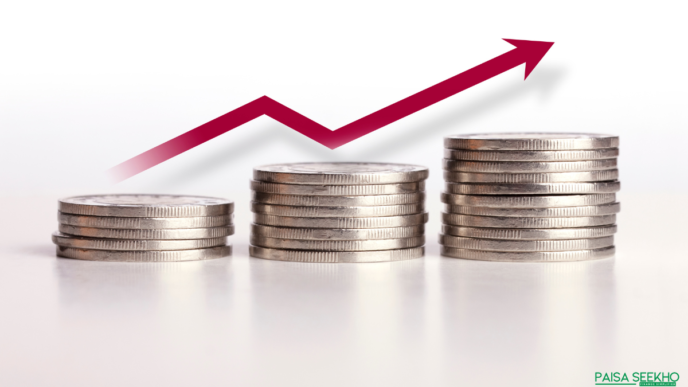
Because these industries are growing at a massive speed, they are buying up physical silver by the ton. When demand goes up and the supply from silver mines struggles to keep pace, the price of the metal naturally rises. This makes silver a very attractive option for long-term investors.
3. Digital Silver vs. Physical Silver (The Big Comparison)
To truly understand why digital silver is taking over, we need to compare it directly with the traditional way of buying silver from a local jeweler.
| Feature | Physical Silver (Jeweler) | Digital Silver (Online) |
| Purity Guarantee | Depends on the jeweler’s honesty. Hard to verify exact purity. | 100% Guaranteed. Backed by 99.9% (24K equivalent) LBMA-certified silver. |
| Storage & Safety | You must store it at home or pay annual fees for a bank locker. High risk of theft. | Stored in world-class, fully insured vaults at zero or minimal cost to you. |
| Minimum Investment | Usually requires buying at least a 10g coin or a heavy piece of jewelry. | Extremely affordable. You can start investing with as little as ₹10 to ₹100. |
| Making Charges | High. You pay 10% to 20% extra as making and wastage charges when buying. | Zero making charges. You only pay for the pure metal and platform fees/GST. |
| Liquidity (Selling) | Hard. You have to carry it to a store, negotiate, and lose money on deductions. | Instant. Sell it on your app with one click and the money hits your bank account. |
| Tarnish & Damage | Turns black over time due to air exposure. Requires cleaning and maintenance. | Zero maintenance. Your digital balance never tarnishes or loses its shine. |
The Verdict: If you are buying silver to wear at a wedding or to give as a traditional gift to a relative, physical silver is still the way to go. But if your goal is purely investment—meaning you want your money to grow—digital silver is far superior because it cuts out all the unnecessary extra costs.
4. The 3 Different Ways to Invest in Digital Silver in India
“Digital silver” is a broad term. In India, there are three main paths you can take to invest in silver digitally. Choosing the right one depends on whether you are a beginner looking to save small amounts, or a serious investor looking to put in larger sums.
Option A: Digital Silver Platforms and UPI Apps
This is the easiest and most popular method for beginners. Apps like Paytm, PhonePe, MMTC-PAMP, eBullion, and InCred Money allow you to buy digital silver directly from your smartphone.
- How it works: You open the app, click on the “Silver” section, enter an amount (say, ₹500), and pay via UPI. The silver is instantly credited to your digital vault.
- Pros: Incredible convenience, no special accounts needed, and you can buy 24/7, even on weekends or holidays.
- Cons: You have to pay a 3% GST upfront on every purchase. Also, these platforms are run by private companies, so you must ensure you are using a reputed, trusted brand.
Option B: Silver ETFs (Exchange Traded Funds)
If you have a Demat account (like Zerodha, Groww, or Upstox) and you buy shares, Silver ETFs are the most professional way to invest in silver.
- How it works: A mutual fund company (like Nippon India, ICICI Prudential, or HDFC) buys tons of physical silver and stores it in secure vaults. They then issue “units” of this silver on the stock market. You buy these units just like you buy shares of Reliance or Tata.
- Pros: Highly regulated by SEBI (Securities and Exchange Board of India), making it extremely safe. You do not pay 3% GST when buying Silver ETFs. The pricing is highly transparent and linked directly to the live market rate.
- Cons: You cannot start with ₹10. You must buy at least one “unit” of the ETF (which usually tracks the price of a specific weight of silver), and you need a Demat account to participate.
Option C: Silver Mutual Funds (Fund of Funds)
What if you want the safety of ETFs but you don’t know how to use the stock market and don’t have a Demat account? Silver Mutual Funds are your answer.
- How it works: You invest your money in a mutual fund (e.g., Motilal Oswal Silver Fund or Aditya Birla Sun Life Silver ETF FoF). The mutual fund manager takes your money and buys Silver ETFs on your behalf.
- Pros: Very simple. You can easily set up a monthly SIP (Systematic Investment Plan) directly from your bank account. No Demat account is required.
- Cons: You will have to pay a small “Expense Ratio” (a management fee charged by the mutual fund company) every year.
5. The Biggest Advantages of Adding Digital Silver to Your Life
Why should the average person bother with this? Here are the practical benefits:
1. The Power of SIPs (Rupee Cost Averaging)
Trying to guess if the price of silver will go up tomorrow or down next week is a stressful game. Digital platforms and mutual funds allow you to set up a Systematic Investment Plan (SIP). You can automate it so that ₹1,000 is deducted from your bank account on the 5th of every month and converted into silver. When the price is high, you buy fewer grams. When the price crashes, you buy more grams. Over a few years, your purchase price averages out, protecting you from sudden market shocks.
2. Portfolio Diversification (Don’t Put All Your Eggs in One Basket)
Many people only invest in bank Fixed Deposits (FDs) or the stock market. But what happens if the stock market crashes? Usually, when stocks fall due to global panic or wars, precious metals like gold and silver go up because people see them as “safe havens.” Having 5% to 10% of your total savings in silver and gold acts like an insurance policy for your wealth.
3. Emergency Fund Liquidity
Life is unpredictable. If a medical emergency strikes at 8 PM on a Sunday, you cannot go to a jeweler to sell physical silver, and breaking a bank FD takes time. With digital silver apps, you can hit the “Sell” button instantly, and the cash is wired directly to your linked bank account within minutes or hours.
6. The Candid Truth: Hidden Costs, Risks, and Mistakes to Avoid
Digital silver is fantastic, but it is not a magical get-rich-quick scheme. You need to enter with your eyes wide open. Here are the common mistakes new investors make and the risks you must accept:
The “Buy-Sell Spread” Trap
If you look at a digital silver app right now, you will notice two different prices: a “Buy Price” and a “Sell Price.”
The Buy price is always slightly higher than the Sell price. This gap is called the “spread,” and it can range from 3% to 6%. This spread covers the platform’s cost of vault storage, insurance, and their profit.
- The Mistake: Many beginners buy ₹5,000 worth of silver, check the app the next morning, and panic when they see their portfolio is only worth ₹4,700. They try to do “day trading” with digital silver.
- The Reality: Because of this spread, you immediately lose a small percentage the second you buy. Therefore, digital silver is strictly a long-term investment. You must hold it for at least 3 to 5 years so the natural price growth easily covers this gap.
The Impact of GST
If you use payment apps or digital platforms to buy silver, the Indian government charges a 3% Goods and Services Tax (GST). If you buy silver worth ₹1,000, ₹30 goes to the government, and only ₹970 gets invested in the metal. Again, this is why short-term trading doesn’t work. (Note: Silver ETFs on the stock market do not attract this 3% upfront GST).
High Volatility
Silver is famous for being a “moody” metal. While gold is relatively stable, silver prices can jump up 5% in a week and crash 5% the next week. Because its price is tied to industrial demand, if the global economy slows down and fewer factories are making solar panels or electric cars, the price of silver can drop. You need the patience to ride out these roller-coaster dips without panic selling.
Platform Credibility
Since you never see or touch the silver, you are completely trusting the platform. If you use an unknown, sketchy app just because they offer “zero fees,” you risk losing everything if the company goes bankrupt. Always stick to highly regulated platforms, SEBI-approved ETFs, or well-known financial brands.
7. Taxation on Digital Silver in India (2026 Rules)
When you eventually sell your digital silver at a profit, the taxman will want a share. The rules depend on how you bought the silver and how long you held it.
For Digital Silver (Apps/Platforms) & Physical Silver:
- Short-Term Capital Gains (STCG): If you sell your silver within 24 months of buying it, the profit you make is added to your total annual income. You will be taxed according to your regular income tax slab (e.g., 10%, 20%, or 30%).
- Long-Term Capital Gains (LTCG): If you hold the silver for more than 24 months, the profit is taxed at a flat 12.5% (plus applicable surcharge and cess).
For Silver ETFs and Silver Mutual Funds (FoFs):
- Short-Term Capital Gains (STCG): If you sell within 12 months, the profit is added to your income and taxed as per your slab rate.
- Long-Term Capital Gains (LTCG): If you hold it for more than 12 months, the profit is taxed at 12.5%.
(Note: Always consult a certified financial planner or chartered accountant before filing your taxes, as individual situations can vary.)
8. Step-by-Step: How to Start Your Silver Investment Journey Today
Ready to start? Here is a simple checklist to safely begin building your digital silver portfolio:
Step 1: Decide Your Strategy
Look at your finances. If you just want to save ₹200 a week from your pocket money or grocery savings, download a trusted digital silver app like eBullion or MMTC-PAMP. If you have ₹5,000 to invest every month and want better pricing, open a Demat account and choose a Silver ETF.
Step 2: Complete Your KYC (Know Your Customer)
No matter which legitimate platform you use, the government requires identity verification. Keep your PAN card, Aadhaar card, and bank account details ready. The online verification usually takes less than 5 minutes.
Step 3: Start Small with a SIP
Do not take ₹1,00,000 from your savings and buy silver all at once. The market could drop the next day. Instead, set up an automatic SIP of ₹1,000 or ₹2,000 per month. Let it run quietly in the background for years.
Step 4: Forget About It
The biggest enemy of a good investment is constantly checking the app. Once your SIP is set up, do not look at the daily price fluctuations. Let the long-term industrial demand for silver do the heavy lifting for your wealth.
Conclusion
The world is changing rapidly. The technologies of tomorrow—electric cars, green energy, and hyper-fast internet—all rely heavily on silver. By investing in digital silver, you are not just buying a shiny metal; you are investing in the future of global industry.
Digital silver strips away all the old-school frustrations of making charges, locker fees, and purity doubts. It puts the power of wealth creation directly into your smartphone, making it accessible to everyone, regardless of their budget. Keep your expectations realistic, understand the taxes and the spread, set up a monthly SIP, and let time work its magic.