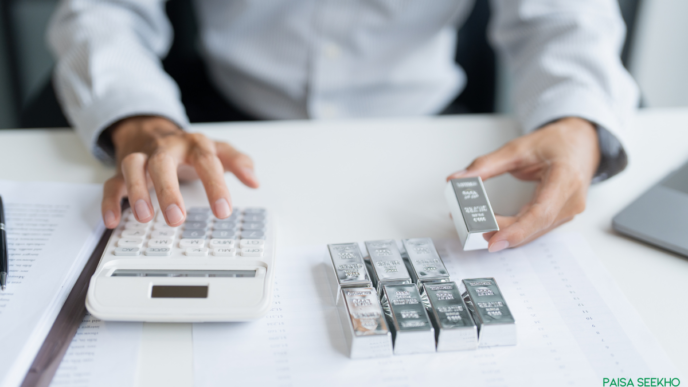
Gold has been valued as a precious metal for centuries, not just for its beauty but also for its ability to serve as a secure store of wealth. When times are uncertain, gold often becomes a go-to asset for investors. But one of gold’s most significant advantages is its liquidity—the ease with which it can be converted to cash. This is where physical gold assets come into play.
Whether you own gold coins, bars, or jewellery, physical gold assets hold intrinsic value that is recognised worldwide. This makes gold a highly sought-after asset, not just for investment but also as a reliable fallback during financial emergencies. In this guide, we’ll explore how physical gold assets are liquid and why they are among the easiest investments to convert to cash globally.
How Liquid Are Physical Gold Assets?
Physical gold assets are considered highly liquid, meaning they can quickly be sold or exchanged for cash without losing much value. Here’s why physical gold stands out for its liquidity:
1. Globally Recognised Value
Gold has a universal appeal, and its value is recognised in almost every country. Whether you’re in India, the United States, or the Middle East, gold is accepted as a valuable asset, making it easy to sell or trade anywhere.
2. Wide Market Availability
The market for physical gold is vast and active. Banks, jewellers, and authorised gold dealers readily buy gold, ensuring there’s always a buyer available. This broad network ensures that selling gold is quick and hassle-free.
3. Standardisation of Gold
Gold bars and coins often come with certifications that guarantee their purity and weight. These certifications, like the BIS Hallmark in India, make it easier for buyers to trust the value of your gold, further enhancing its liquidity.
4. Hedge Against Market Fluctuations
Gold’s price tends to remain stable or rise during economic downturns, making it a popular asset in uncertain times. This stability ensures that demand for gold remains high, which in turn makes it easy to sell.
5. No Complex Paperwork
Unlike other investments such as real estate or stocks, selling physical gold involves minimal paperwork. You simply take it to a trusted buyer, verify its purity, and receive payment. This simplicity adds to its liquidity.
6. Accepted in Emergency Situations
Gold can act as an emergency fund. In times of need, physical gold can be sold or pawned quickly to access immediate cash, making it a reliable backup.
Example:
Suppose you own a 24-karat gold coin weighing 10 grams. If you need cash urgently, you can sell the coin to a jeweller or gold dealer, who will pay you based on the current gold price minus a small transaction fee. The entire process can take just a few minutes.
Physical gold assets are among the most liquid investments globally, offering a seamless way to convert wealth into cash when needed. In the next section, we’ll explore what makes this liquidity possible across different markets.
What Makes Gold Easy to Convert to Cash Globally?
Gold’s liquidity is one of its most attractive features, and several factors contribute to its ease of conversion into cash worldwide. Here’s what makes physical gold assets such a universally liquid investment:
1. Universal Value and Demand
Gold is valued globally, irrespective of borders, because of its historical importance and intrinsic value. This universal recognition ensures there is always demand for gold, making it easy to sell anywhere.
2. Trusted Store of Value
For centuries, gold has been a reliable store of wealth, retaining its value even during economic or political crises. This trust ensures that buyers are always willing to pay for it.
3. Standardisation of Quality
Gold coins and bars are often certified for purity and weight, such as the BIS Hallmark in India or LBMA certification internationally. These standards make it easier for buyers to trust the asset’s value, regardless of where the transaction takes place.
4. Wide Network of Buyers
Gold can be sold to various buyers, including:
- Jewellers
- Banks (in some countries)
- Authorised gold dealers
- Pawnshops
- Online marketplaces for gold resale
This extensive network ensures that gold owners have multiple avenues to liquidate their assets.
5. Transparent Pricing
Gold prices are standardised and based on international benchmarks. These prices are regularly updated and easily accessible online or through financial institutions, allowing sellers to know the exact value of their gold.
6. Low Transaction Time
Selling gold is quick and requires minimal documentation. Buyers usually check the weight and purity, after which they pay the seller. The simplicity of the process ensures fast transactions.
7. Portable Wealth
Gold is compact and portable, making it easy to carry and sell in different locations. Unlike real estate or other investments, gold doesn’t require transferring ownership through lengthy legal processes.
Example:
If you own a gold bar certified by an international body like the LBMA, you can sell it in India, Dubai, or the U.S. without complications. The universally recognised certification ensures trust and a fair price.
How is the Economy Linked with Gold?
Gold has a deep-rooted connection with the global economy, acting as both a financial asset and an economic indicator. Here’s how gold and the economy are linked:
1. Indicator of Economic Health
Gold prices often reflect the state of the economy. When economies face uncertainty, such as during inflation, currency devaluation, or geopolitical tensions, gold prices tend to rise as investors seek a safe haven. Conversely, when economies stabilise, gold prices may dip.
2. Currency Value and Inflation Hedge
Gold is often seen as an alternative to fiat currencies. When the value of a currency weakens due to inflation or economic instability, gold becomes a preferred asset to preserve purchasing power. For example, during high inflation, gold retains its value, making it a reliable hedge.
3. Central Bank Reserves
Central banks around the world hold significant gold reserves as part of their monetary policy. Gold provides stability to a country’s currency and economy. Countries with higher gold reserves are often considered economically stable.
4. Global Trade and Investment
Gold plays a role in international trade as it is accepted universally. It is also an essential component of portfolios, with investors using gold to diversify risks and stabilise returns.
5. Market Correlation
Gold has an inverse relationship with the stock market. When stock markets perform poorly, gold prices typically rise, as investors move their money from equities to safer assets like gold.
6. Economic Stimulus and Interest Rates
Gold prices are influenced by interest rates. When interest rates are low, the opportunity cost of holding gold decreases, leading to higher demand. During economic slowdowns, central banks often lower interest rates, which in turn boosts gold prices.
Example:
During the 2008 global financial crisis, gold prices soared as investors sought a safe haven to protect their wealth amidst stock market crashes and economic uncertainty.
Gold’s unique position as both a commodity and a financial asset makes it intricately linked to the economy. Its ability to remain valuable during both economic booms and downturns ensures its continued relevance in global financial systems.
How to Invest in Physical Gold Assets?
Investing in physical gold assets is one of the oldest and most reliable ways to preserve and grow wealth. Here’s a guide to help you make informed decisions when purchasing gold:
1. Gold Jewellery
- What It Is: Purchasing gold in the form of necklaces, bracelets, or other ornaments.
- Benefits:
- Can be used for personal adornment.
- Easily available at jewellery stores.
- Drawbacks:
- Includes making charges, which are not recoverable when selling.
- Purity may vary, so ensure a BIS hallmark for quality assurance.
2. Gold Coins and Bars
- What It Is: Coins or bars made of 24-karat gold, often certified for purity.
- Benefits:
- High purity and standardisation (e.g., BIS hallmark).
- Lower making charges compared to jewellery.
- Compact and easier to store.
- Where to Buy: Banks, authorised dealers, jewellers, and even online platforms.
- Tip: Always ask for a certificate of authenticity.
3. Gold Savings Schemes
- What It Is: Schemes offered by jewellers where you contribute a fixed amount monthly to purchase gold at the end of the term.
- Benefits:
- Enables systematic savings.
- Often includes discounts on making charges.
- Drawbacks:
- Tied to one jeweller, limiting purchase options.
4. Gold ETFs and Digital Gold (Alternate Options)
While these are not physical gold, they are worth considering for those who prefer convenience and safety:
- Gold ETFs: Traded on stock exchanges, representing gold holdings without physical storage.
- Digital Gold: Purchased online and backed by physical gold stored securely by the provider.
Tips for Investing in Different Types of Physical Gold Assets:
- Check Purity: Ensure the gold is certified, preferably with a BIS hallmark for jewellery or coins.
- Monitor Gold Prices: Gold prices fluctuate daily. Purchase during price dips for better returns.
- Secure Storage: Use a safe at home or a bank locker to protect your gold from theft.
- Invoice and Documentation: Always keep receipts and certificates for authentication and resale purposes.
Conclusion
Physical gold assets are a timeless investment, offering both financial security and liquidity. Whether in the form of jewellery, coins, or bars, gold remains a globally recognised and trusted asset. Its high liquidity, universal appeal, and role as a hedge against economic uncertainty make it an essential part of any diversified portfolio.
When investing in physical gold assets, it’s crucial to understand their liquidity, the economy’s impact on gold prices, and the best practices for buying and storing them. With careful planning, gold can not only preserve your wealth but also provide you with peace of mind in uncertain times. Gold truly remains a golden opportunity for investors around the world.
FAQs
What are physical gold assets?
Physical gold assets are tangible forms of gold that you can hold, such as jewellery, coins, and bars. These assets are valued based on their weight and purity and are considered a secure store of wealth. Unlike digital or paper gold, physical gold offers the advantage of direct ownership and high liquidity.
How liquid are physical gold assets?
Physical gold assets are highly liquid, meaning they can easily be sold or exchanged for cash. They are widely accepted globally, and buyers like jewellers, gold dealers, and pawnshops ensure that you can convert your gold into cash quickly. Factors like purity, certification, and weight affect how smoothly the transaction occurs.
Why is gold considered a liquid asset?
Gold is considered liquid because of its universal value, standardised pricing, and wide network of buyers. Its portability and minimal transaction requirements further enhance its liquidity. Additionally, gold’s global acceptance makes it easy to sell or trade in almost any country.
What makes gold easy to convert to cash globally?
Gold’s universal recognition, standardisation (e.g., BIS hallmark, LBMA certification), and stable demand across countries make it easy to convert into cash. Transparent pricing and the extensive network of jewellers and dealers also contribute to its ease of conversion.
How is gold linked to the economy?
Gold acts as both a hedge against economic instability and a reflection of market conditions. Its value rises during economic uncertainty, inflation, or currency devaluation, making it a reliable indicator of economic health. Central banks also hold gold reserves to stabilise their currencies, further linking gold to the economy.
What are the best ways to invest in physical gold assets?
The best ways to invest in physical gold include:
- Gold Jewellery for personal use and investment.
- Gold Coins and Bars for high purity and better resale value.
- Gold Savings Schemes for systematic investment.
Each method has its advantages, depending on your goals and preferences.
Are there any risks involved in investing in physical gold?
While gold is a secure investment, it does carry some risks:
- Storage and Security: Physical gold needs to be securely stored to avoid theft.
- Market Volatility: Gold prices can fluctuate, impacting the value of your investment.
- Resale Costs: Making charges and taxes may reduce the resale value, especially for jewellery.
Mitigating these risks with proper storage and strategic buying can ensure a safer investment.
What factors affect the liquidity of physical gold?
The liquidity of physical gold depends on:
- Purity and Certification: Certified gold is easier to sell.
- Form of Gold: Coins and bars are more liquid than jewellery due to lower making charges.
- Market Conditions: Gold’s demand in the current market influences how quickly it can be sold.
How can I ensure I get a fair price for my gold?
To get a fair price for your gold:
- Check Current Market Rates: Refer to the daily gold price before selling.
- Verify Purity: Ensure your gold is certified (e.g., BIS hallmark).
- Choose Reputable Buyers: Sell to trusted jewellers or authorised gold dealers to avoid underpricing.
Is physical gold a good long-term investment?
Yes, physical gold is an excellent long-term investment due to its ability to preserve wealth and act as a hedge against inflation. Its high liquidity and universal acceptance also make it a reliable asset during economic uncertainties. Combining gold with other investments ensures a well-balanced portfolio.