
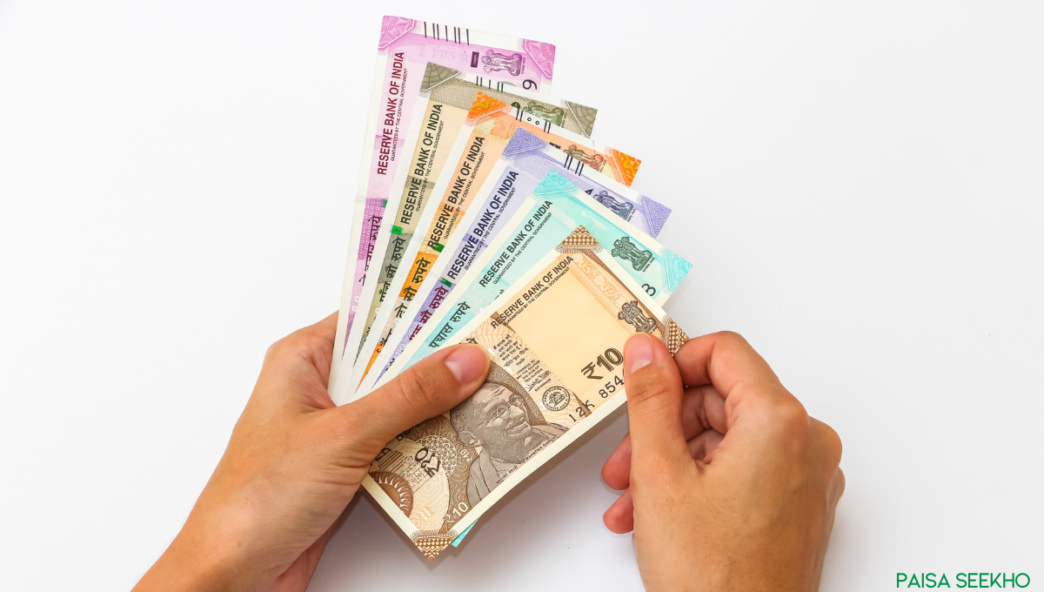
The classic dilemma: “I have ₹50,000 extra. Should I prepay my Home Loan or start a SIP?” In the Indian mindset, debt is often viewed as a sin. Our parents taught us, “Karz mukt raho” (Stay debt-free). While this is emotionally comforting, it is often mathematically wrong in a growing economy like India.
If you wait until you are 100% debt-free to start investing, you might be 50 years old before you buy your first mutual fund unit. By then, you have lost the most valuable asset of all: Time.
Here is the strategic framework to manage the “Investing vs Paying Off Debt” battle in 2026.
The Short Answer: Kill the “Toxic” Debt, Keep the “Good” Debt
Investing while in debt isn’t just possible; it is often necessary. However, you must prioritize based on the interest rate cost.
- The Red Zone (>12% Interest): If you have Credit Card debt or Personal Loans, stop investing. Pause all SIPs (except employer-matched PF) and divert every rupee to kill this debt. A 24% interest cost destroys a 12% investment return.
- The Green Zone (<9% Interest): If you have a Home Loan or Education Loan, do not prepay aggressively. Invest the surplus instead. These loans are “cheap,” often tax-deductible, and allow you to leverage other people’s money to build your own wealth.
1. The “Traffic Light” System for Debt
Not all loans are created equal. Before you send money to the bank, categorize your debt.
| Category | Interest Rate | Loan Type | Action |
| RED (Toxic) | 12% – 40% | Credit Cards, Personal Loans, Car Loans | KILL IT. Zero Investments until this is gone. |
| YELLOW (Grey) | 9% – 11% | Loan Against Property, Top-Up Loans | 50/50 Strategy. Split surplus between Prepayment and SIP. |
| GREEN (Good) | 7% – 8.5% | Home Loans, Education Loans | KEEP IT. Invest aggressively. Do not prepay unless stressed. |
The Logic:
- The Stock Market (Nifty 50) gives ~12% returns over the long term.
- If your loan costs 18% (Personal Loan), you are losing 6% by investing.
- If your loan costs 8.5% (Home Loan), you are earning a “Net Spread” of 3.5% by investing. This spread is how wealth is created.
2. The New Tax Regime Twist (Critical for 2026)
This is the biggest game-changer when it comes to Investing vs Paying Off Debt:
- Old Regime: You got tax benefits on Home Loan Interest (Section 24b) and Principal (Section 80C). This effectively lowered your loan cost from 8.5% to ~6%.
- New Regime: There are NO deductions for Home Loan interest on self-occupied properties.
- Implication: Your home loan is now “expensive” (pure 8.5% cost).
- Strategy: If you have shifted to the New Regime, the mathematical advantage of keeping a home loan has reduced. You should consider allocating a higher portion (e.g., 30% of surplus) to prepayments, even for home loans.
3. The “SIP + EMI” Combo Strategy
Never choose one or the other. Do both.
If you have a Home Loan EMI of ₹30,000, start a SIP of 10% to 20% of the EMI value (i.e., ₹3,000 to ₹6,000).
- Why: Over a 20-year tenure, the SIP grows.
- The Magic: By the 15th year, your SIP corpus might be large enough to pay off the entire remaining loan balance in one shot, while you still have your house.
- This ensures you don’t end up at age 45 with a “Debt-Free House” but “Zero Bank Balance.”
4. The “Avalanche” vs. “Snowball” Method
If you have multiple loans (e.g., a car loan, 2 credit cards, and a personal loan), how do you clear them to free up cash for investing?
- The Avalanche (Mathematically Superior): Rank loans by Interest Rate. Pay off the highest rate (Credit Card) first, regardless of balance. This saves the most money.
- The Snowball (Psychologically Superior): Rank loans by Balance Size. Pay off the smallest loan first (e.g., a ₹20k phone loan).
- Why: Closing one loan account feels like a “win.” It motivates you to attack the next one.
- Verdict: Use Avalanche if you are disciplined. Use Snowball if you feel overwhelmed.
5. The Emergency Fund Rule
Never use your Emergency Fund to prepay a loan.
- Scenario: You have ₹3 Lakhs in Emergency Fund. You have a Personal Loan of ₹3 Lakhs.
- Mistake: You pay off the loan to save interest.
- Disaster: Next month, you lose your job. Now you have no cash and no ability to take a new loan (because you are unemployed).
- Rule: Cash in the bank is your oxygen. Keep 6 months of expenses safe before you attack debt or investments.
6. When to ignore the Math (The “Sleep” Test)
Sometimes, spreadsheets lie.
Mathematically, keeping an 8.5% home loan and investing in equity at 12% makes sense.But: If waking up with ₹50 Lakhs of debt makes you anxious, ignore the 3.5% profit.
- Peace of Mind > ROI. If debt stresses you out, prepay it aggressively. A stress-free life is worth more than the extra lakhs you might earn in the market.
Summary Checklist: The Investing vs Paying Off Debt Protocol
| Loan Type | Interest Rate | Strategy |
| Credit Card | 36%+ | EMERGENCY. Stop all SIPs. Pay this off yesterday. |
| Personal Loan | 12-18% | Urgent. Pause investments. Prepay aggressively. |
| Car Loan | 9-10% | Neutral. Continue existing SIPs. Use annual bonus to prepay. |
| Home Loan | 8.5% | Relax. Continue SIPs. Only prepay if New Tax Regime applies. |
| Education Loan | 8-10% | Keep. Great tax benefits (Sec 80E). Invest the surplus. |
Final Thoughts
Debt is leverage. Rich people use debt to buy assets (Business, Real Estate) that grow in value. Poor people use debt to buy liabilities (Phones, Cars) that fall in value.
If you have “Good Debt” (Home/Education), wear it like a badge of smart financial planning. Do not rush to close it at the cost of your future wealth. Let your SIPs run alongside your EMIs.
Frequently Asked Questions: Investing vs Paying Off Debt
1. I have a Personal Loan at 14%. Should I stop my SIPs to close it?
Yes.
- The Math: Your Personal Loan costs you 14% (guaranteed loss). Your Mutual Fund earns ~12% (not guaranteed).
- The Action: You are effectively borrowing at 14% to invest at 12%. That is a loss of 2%. Pause your SIPs immediately, divert that money to the loan EMI, and restart the SIP once the loan is dead.
2. Should I use my annual bonus to prepay my Home Loan or invest?
- If you are on Old Tax Regime: Invest it. The tax shield on the home loan makes it cheap debt.
- If you are on New Tax Regime: Prepay. The home loan has no tax benefit, so reducing the principal reduces your interest burden significantly.
- Compromise: Use the “10% Rule.” Every year, prepay 5-10% of the outstanding loan balance. This reduces a 20-year loan to roughly 12 years.
3. Can I take a Personal Loan to invest in the Stock Market?
ABSOLUTELY NOT.
- This is the cardinal sin of personal finance.
- The market is volatile. If the market crashes by 20% and you still have to pay 15% EMI to the bank, you will face financial ruin. Never leverage to buy equity unless you are a sophisticated HNI with hedging strategies.
4. Does my CIBIL score improve if I prepay loans early?
Not necessarily.
- CIBIL likes “Repayment History.” Paying EMIs on time boosts your score.
- Closing a loan too quickly (e.g., within 6 months) might actually hurt slightly or have neutral impact because it shortens your credit history. However, getting rid of toxic debt (Credit Cards) will significantly boost your score by lowering your Credit Utilization Ratio.
5. I have a “Zero Cost” EMI on my phone. Is that bad debt?
It is usually a trap.
- Hidden Costs: Often, there is a “Processing Fee” or the product price is inflated on the EMI platform.
- Behavioral Risk: It forces you to commit future income to a depreciating asset.
- Verdict: If you needed the phone for work, it’s fine. If you bought it just for status, it’s bad debt, even at 0% interest.
6. Should I pay off my Education Loan early?
No.
- Tax Benefit: Section 80E allows you to deduct the entire interest amount from your taxable income (no upper limit) for 8 years.
- Strategy: Keep the loan for 8 years to maximize tax savings. Invest your surplus cash in Mutual Funds. After 8 years (when tax benefits end), pay off the balance.
7. What is a “Top-Up” Loan, and should I use it to invest?
A Top-Up loan is an extra loan given on your existing Home Loan. Rates are usually cheap (9-10%).
- Investing? No. 10% is still a high hurdle to beat consistently post-tax.
- Home Improvement? Yes. Using it to renovate your house increases asset value.
8. I have Credit Card debt. Should I withdraw from my PF to pay it?
Yes (as a last resort).
- The Math: PF earns 8.15%. Credit Card charges 36-40%.
- Logic: It makes no sense to earn 8% in one pocket while paying 40% in the other. Withdraw the PF, clear the toxic debt, and then aggressively restart your PF/SIP contributions to catch up.
9. How much of my salary should go towards EMIs?
- The Golden Ratio: Total EMIs (Home + Car + Personal) should not exceed 40-45% of your Net Take Home Salary.
- If it crosses 50%, you are in the “Danger Zone.” Stop investing and focus solely on debt reduction.
10. Is it better to increase EMI or reduce tenure when prepaying?
Always Reduce Tenure.
- Option A (Reduce EMI): You pay the same monthly amount for 20 years. Interest savings = Minimal.
- Option B (Reduce Tenure): You keep paying the same EMI, but the loan finishes in 15 years. Interest savings = Massive.
- Verdict: Always tell the bank: “Keep my EMI same, reduce my tenure.”