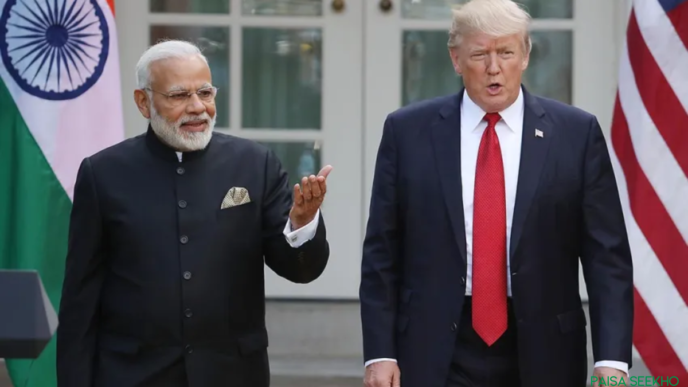
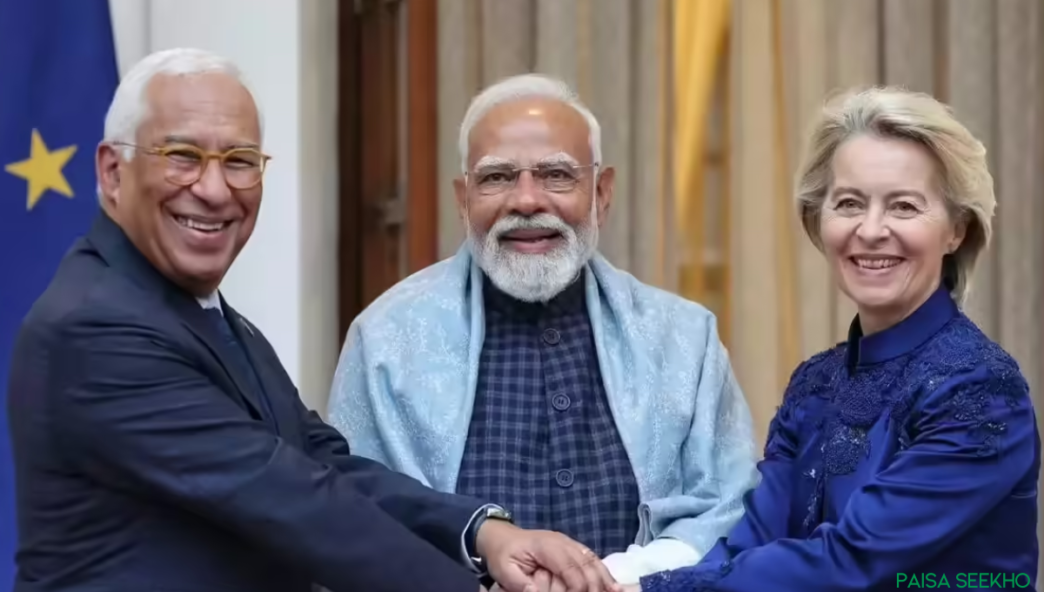
It is official. On January 27, 2026, history was made in New Delhi. After 18 years of intense negotiations, false starts, and diplomatic marathons, India and the European Union (EU) have signed what Prime Minister Narendra Modi calls the “Mother of All Deals.” The India-EU Free Trade Agreement (FTA) (also called the India-EU FTA 2026) is no longer a rumor; it is a reality.
If you watched the news last night, you likely saw flashy headlines about “Cheaper Mercedes,” “Duty-Free Scotch,” and “Swiss Chocolate.” It is easy to get lost in the hype of luxury goods. But if you live in Tiruppur, Surat, Jalandhar, Coimbatore, or Pune, this news is much bigger than just cheaper cars.
This agreement is a direct injection of adrenaline into the heart of “Bharat.” It promises to rewrite the economic destiny of India’s manufacturing hubs and offers a new lifeline to professionals seeking global careers.
At Paisaseekho, we look beyond the hype. We don’t just ask “What can I buy?”; we ask “How can I grow?”. In this comprehensive guide, we decode the 2026 India-EU FTA to answer the three most critical questions for the ambitious Indian professional:
- My Wallet: Will things actually get cheaper, or is there a catch?
- My Job: Will this bring new opportunities to my city?
- My Future: Which sectors are poised for explosive growth?
Let’s dive into the details of the deal that connects 1.4 billion Indians with 450 million Europeans.
Part 1: The Consumer Impact of India-EU FTA 2026 – Will My Life Get Cheaper?
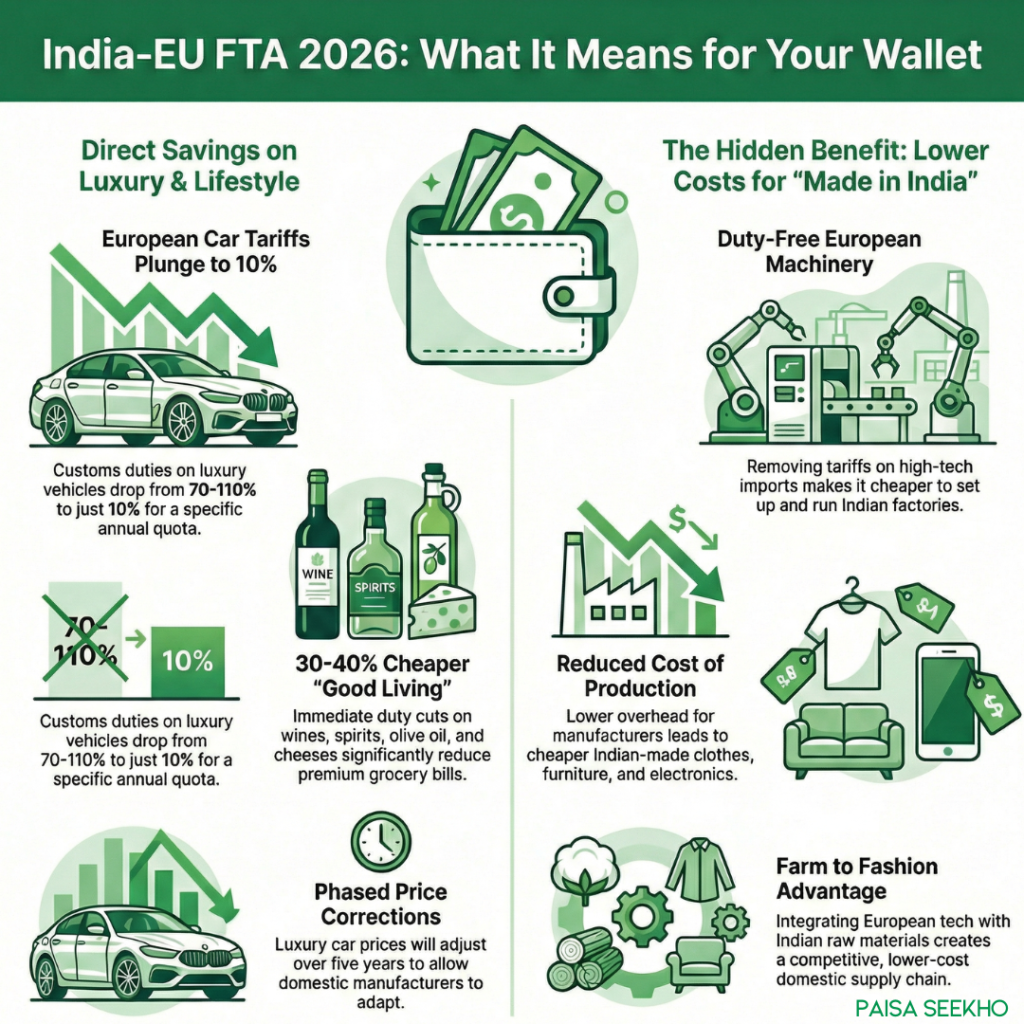
Everyone loves a discount. The immediate buzz around the FTA is about the drastic reduction in import duties. But before you rush to the showroom, let’s look at the fine print.
When will European car prices drop in India?
The headline grabbing news is the slash in automobile tariffs. For decades, India has protected its domestic car industry with some of the highest tariffs in the world.
- The Old Rule: Imported cars faced a massive 70% to 110% customs duty. A car that cost ₹40 Lakh in Germany would cost nearly ₹85-90 Lakh by the time it reached an Indian showroom.
- The New Rule (2026): Under the FTA, this duty will drop to just 10%.
- The “Quota” Catch: This is crucial. The duty cut doesn’t apply to every car. It applies to a specific quota of 2,50,000 vehicles per year.
What This Means for You:
If you have been eyeing a luxury vehicle—an Audi, BMW, or Mercedes-Benz C-Class—prices are set to correct significantly. However, don’t expect a ₹50 Lakh discount overnight. The reduction will likely be phased over 5 years to allow Indian manufacturers (Tata, Mahindra) to adapt.
- Verdict: Luxury becomes attainable. Mass-market cars (Alto, Swift range) remain unaffected as European brands don’t compete at that price point.
European Wine, Cheese, and “Good Living”
The EU is famous for its “Geographical Indications” (GI) like champagne from France, parmesan from Italy, scotch from Scotland (post-Brexit, EU trade deals often influence wider European goods access).
- Spirits & Wine: Duties on European wines were a staggering 150%. This has been slashed to 75% immediately, with a roadmap to reach 20% for premium bottles over time.
- Food: Olive oil, Belgian chocolates, and specialized cheeses will see duties drop to zero or near-zero.
- Verdict: Your grocery bill for “premium” items will shrink. The “Good Life” just got roughly 30-40% cheaper.
Made in India Gets Cheaper Too
Here is the hidden benefit no one talks about.
Indian factories import high-tech machinery from Germany and Italy to make things like textiles, car parts, and electronics.
- The Change: The FTA removes duties on European machinery.
- The Result: It becomes cheaper to set up a factory in India. This lowers the “Cost of Production” for Indian goods. Eventually, this could mean cheaper clothes, furniture, and electronics for you, even if they are made in India.
Part 2: The “Bharat” Impact – Jobs & Career Growth
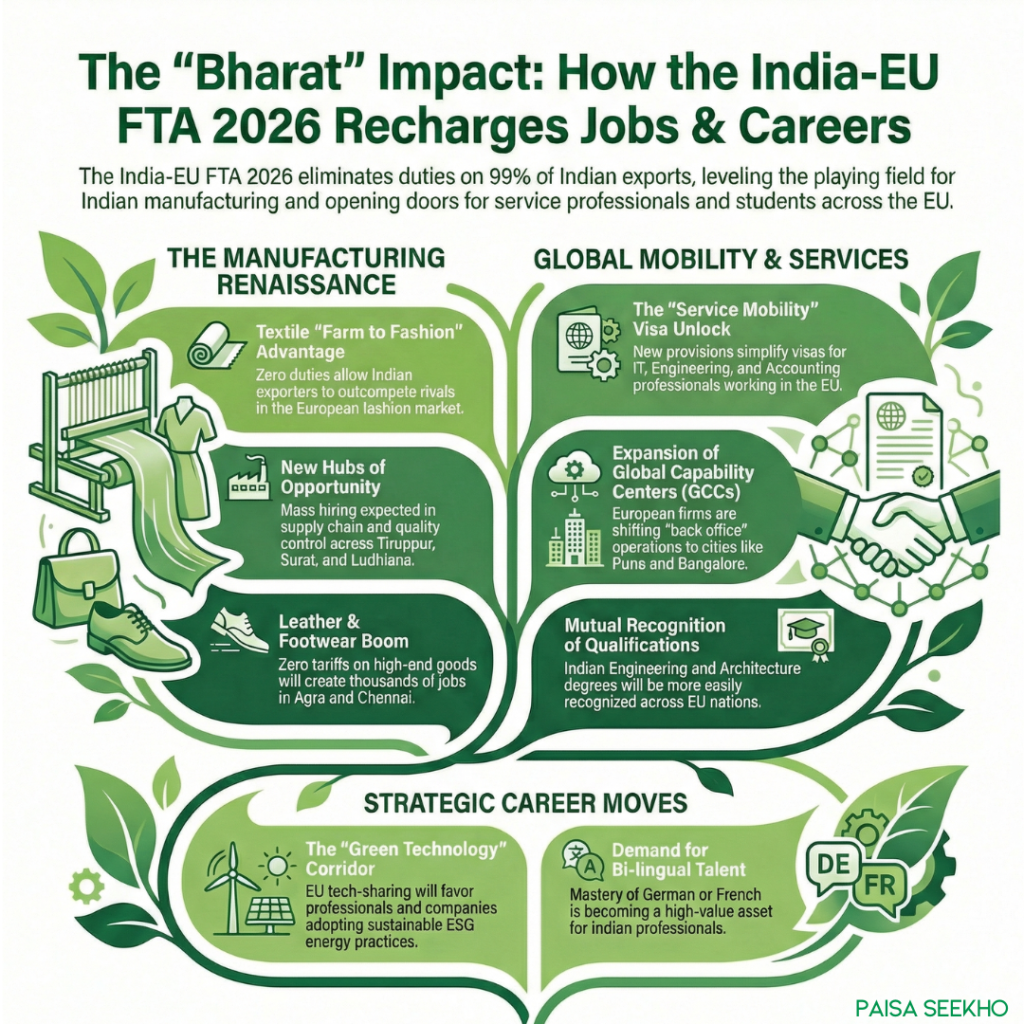
This is the heart of the deal. The EU is a rich market, but they tax imports heavily. Until now, an exporter in Tiruppur paid 9-12% duty to sell a t-shirt in Europe, while a competitor in Bangladesh paid 0%. We were running the race with a backpack full of stones.
The FTA cuts those straps. As of 2026, duties on 99% of Indian exports to the EU drop to ZERO.
How does the India-EU FTA 2026 impact the textile industry?
The Winner: Tiruppur, Coimbatore, Ludhiana, Surat.
The textile sector is the biggest beneficiary.
- The Shift: European fashion brands (think Zara, H&M) source billions of dollars of clothes. They preferred Bangladesh because it was duty-free. Now, India is on a level playing field.
- The Opportunity: India offers something Bangladesh struggles with: “Farm to Fashion”. We grow the cotton, spin the yarn, and stitch the shirt. With the duty disadvantage gone, expect massive orders to shift from Dhaka and Vietnam to Tiruppur.
- Job Alert: If you work in supply chain, merchandising, textile engineering, or quality control, get ready. Factories will need to run double shifts to meet the new demand.
The Leather & Footwear Boom
The Winner: Agra, Kanpur, Chennai, Ambur.
Europe is the fashion capital of the world, and they need high-quality leather.
- The Shift: Indian leather exports faced meaningful tariffs. These are now zero.
- The Opportunity: High-end shoes, bags, and jackets. This is a labor-intensive sector. A 20% increase in exports translates to tens of thousands of jobs for semi-skilled workers and floor managers.
IT Services & The “Visa” Unlock
The Winner: Bangalore, Pune, Hyderabad, Gurgaon.
For the white-collar professional, the FTA brings a gift: “Service Mobility.”
- The Problem: Historically, sending an Indian IT consultant to Germany or France was a visa nightmare compared to the US or UK.
- The Fix: The deal includes specific provisions for “Mode 4” service delivery. This means easier visa norms for professionals (IT, Engineers, Accountants) to work on short-term projects in EU nations.
- The “Near-Shore” Model: European companies are desperate to diversify away from Eastern Europe due to geopolitical tensions. India is the natural “back office” alternative. Expect more “Global Capability Centers” (GCCs) from French and German companies opening in Pune and Chennai.
Part 3: The Investment “Cheat Sheet”
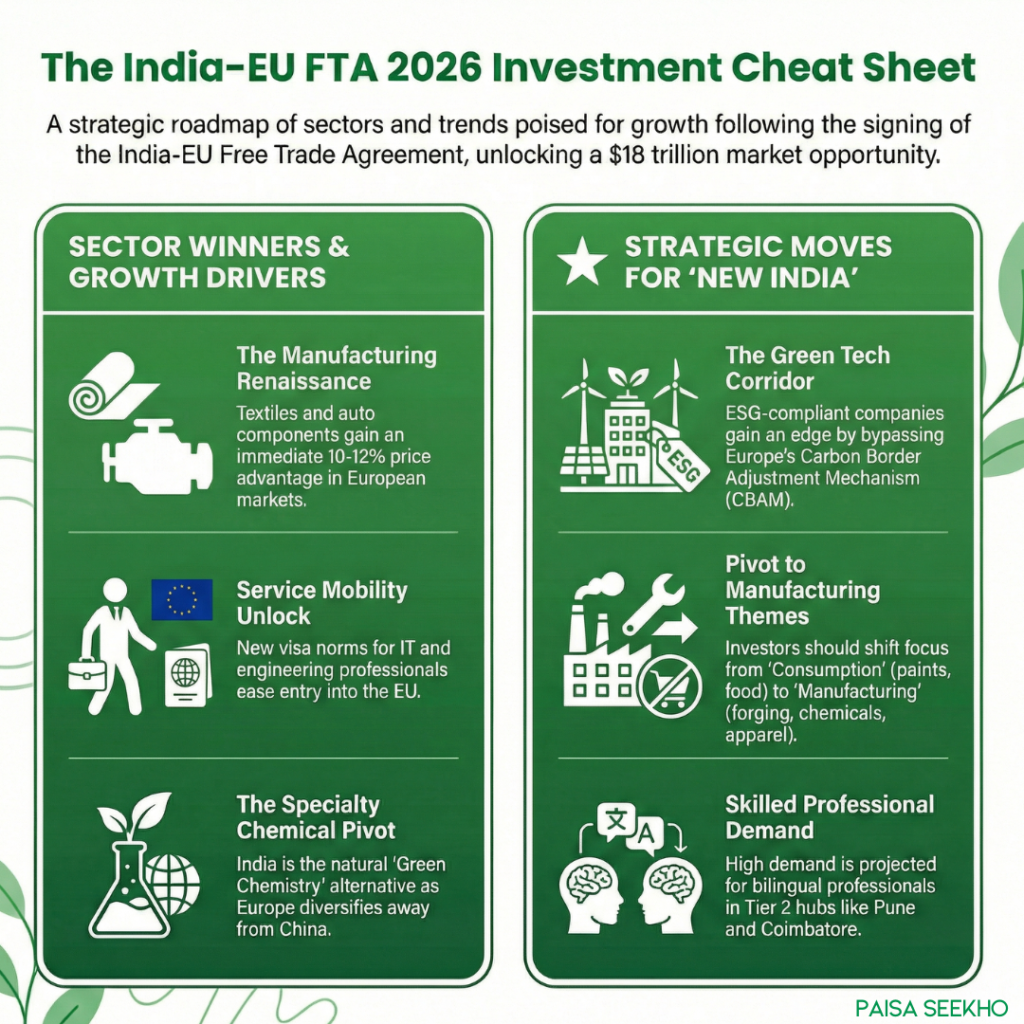
For the smart investor, this deal is a roadmap. We don’t give stock tips, but we do identify Tailwinds. Money flows where policy goes.
List of sectors benefiting from India-EU trade deal
Here is your sector-by-sector breakdown. Use this to research mutual funds or companies that fit these themes.
| Sector | Verdict | Why it’s a Winner/Loser | What to Watch |
| Textiles & Apparel | 🚀 SUPER WINNER | Immediate 0% duty. Indian clothes become 10-12% cheaper in Europe instantly. | Companies with high export exposure to Europe (Home Textiles, Garments). |
| Auto Components | ✅ WINNER | European carmakers will source more parts (gears, shafts, forging) from India to lower their global costs. | Forging companies and precision engineering firms in Pune/Aurangabad. |
| IT & Services | ✅ WINNER | The deal eases “Service Mobility.” It becomes easier to win European contracts. | Mid-cap IT firms that specialize in European clients (Auto-tech, ER&D). |
| Specialty Chemicals | ✅ WINNER | Europe is moving away from China’s chemicals. India is the natural “Green Chemistry” alternative. | Agro-chem and pharma-intermediate players. |
| Dairy (Milk/Cheese) | 🛡️ PROTECTED | No duty cuts. Amul and local farmers are safe from European competition. | Dairy stocks remain neutral/safe. |
| Luxury Real Estate | 📈 INDIRECT WINNER | More wealth in Tier 2 export hubs = more demand for premium homes in those cities. | Developers focused on Tier 2 cities (Surat, Coimbatore, Kochi). |
“Did You Know?” – The Carbon Tax Angle
Carbon Border Adjustment Mechanism (CBAM):
Europe has a new rule: If your product creates too much pollution, you pay a “Carbon Tax” to sell it in Europe.
The FTA Win: While the FTA doesn’t remove CBAM, it creates a “Green Technology Corridor.” Europe will share technology to help Indian factories become greener. This means Indian companies that adopt solar power and green energy now will be the biggest winners in 2027 and beyond.
Takeaway: Invest in companies that are “ESG Compliant” (Environmentally friendly). They are the only ones who will survive the export game.
Part 4: The Strategic Takeaway for Tier 2 India
The India-EU FTA 2026 is a “Recalibration” of global supply chains. For years, we heard about “China Plus One.” This deal is the stamp of approval that makes India the “Plus One.”
Don’t Just Be a Consumer
The biggest mistake you can make is to read this news and think, “Great, I can buy cheap wine.”
The real wealth transfer isn’t in what you buy, but in what India sells.
- If you are a business owner: Look into export certifications. The door to a $18 Trillion economy just opened.
- If you are a student: Learn German or French. The demand for bi-lingual professionals in Pune and Bangalore is about to skyrocket.
- If you are an investor: Shift your gaze from “Consumption” themes (Burgers, Paints) to “Manufacturing” themes (Textiles, Forging, Chemicals).
Conclusion
The “Mother of All Deals” has delivered. The walls are down. The tariffs are gone. Now, it is up to “New India” to walk through the door.
Whether you are stitching shirts in Tiruppur or coding in Pune, your market just got a whole lot bigger.
FAQs: Everything You Need to Know About India-EU FTA 2026
Q1: When will the new car prices come into effect?
A: The agreement was signed in Jan 2026. Typically, international treaties take 6-12 months for “ratification” (legal approval) by both parliaments. Expect the actual price drops to hit showrooms by late 2026 or early 2027.
Q2: Will India-EU FTA 2026 this hurt Indian farmers?
A: No. The government was very careful. Sensitive sectors like Dairy (Milk, Cheese, Paneer), Wheat, and Rice have been kept on the “Negative List.” This means European agricultural products cannot enter India duty-free, protecting our farmers from subsidized competition.
Q3: Does India-EU FTA 2026 help Indian students in Europe?
A: Yes! The services pact usually includes “Mutual Recognition of Qualifications.” This implies that an Engineering or Architecture degree from India might be more easily recognized in Europe, and vice versa. It also eases post-study work visa norms in many EU nations.
Q4: Which is better for India: UK FTA or EU FTA?
A: The EU FTA is significantly larger. The EU is a bloc of 27 countries (including Germany, France, Italy) with a GDP of over $18 Trillion. The UK is a single market. The scale of opportunity for Indian exporters is roughly 5x-6x larger with the EU deal.
Q5: What is the “Quota” system for cars under the India-EU FTA 2026?
A: India didn’t open the floodgates. We said, “We will allow 2,50,000 cars per year at low duty.” If European companies want to sell more than that, they have to pay the full duty. This clever move ensures that if a car becomes super popular (like a Tesla or VW), the company is forced to set up a factory in India to meet demand, rather than just importing forever.
Q6: I run a small business. How do I export to the EU now that India-EU FTA 2026 has happened?
A: The India-EU FTA 2026 includes a chapter specifically for SMEs (Small & Medium Enterprises). It simplifies the paperwork and “Rules of Origin” certification. You will need to prove that your product is indeed “Made in India” (value addition norms). Contact your local Export Promotion Council (like AEPC for apparel) for the new guidelines.