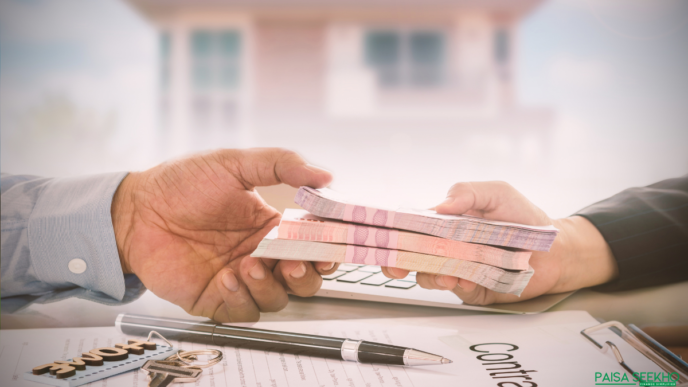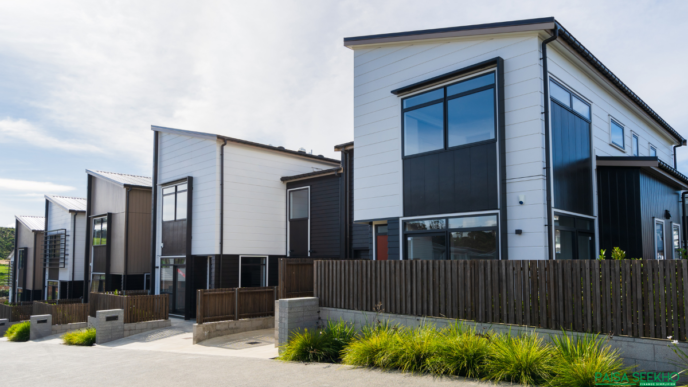
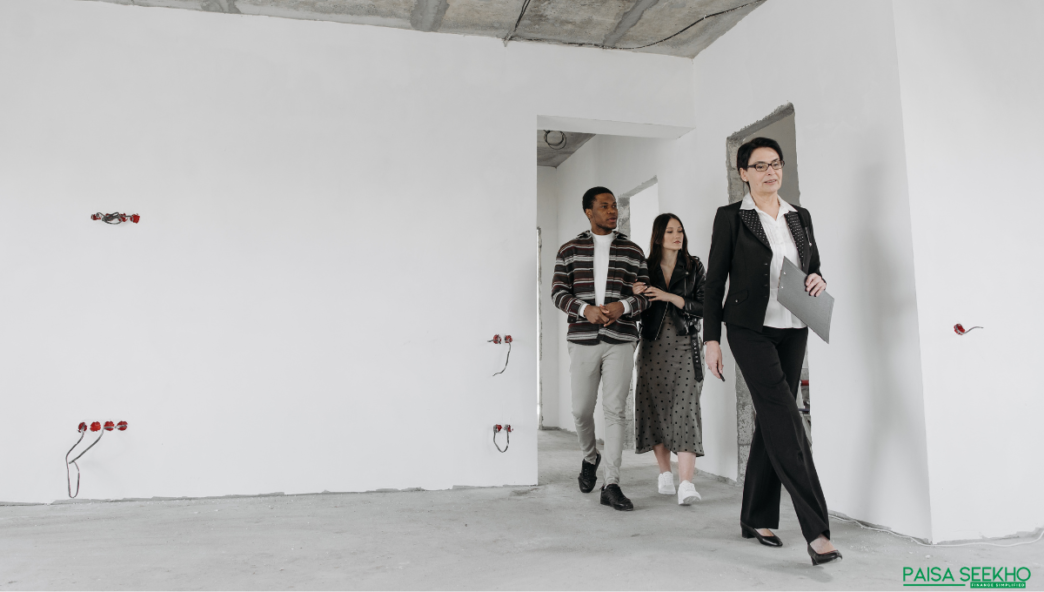
Are you trying to decide between buying vs renting a house? This is one of the biggest financial decisions many of us face. Owning a home brings a sense of stability and pride, while renting offers flexibility and freedom. Each option has its own set of benefits and challenges, and choosing the right one depends on your personal goals, financial situation, and lifestyle preferences. Let’s explore the pros and cons of both to help you make the best decision for your future.
Benefits of Investing in a House
- Long-Term Investment: Buying a house is a long-term investment that can grow in value over time. If property prices increase, you could benefit from capital appreciation.
- Sense of Security: Owning a home gives you a sense of security and stability. You don’t have to worry about your landlord raising rent or asking you to move out.
- Freedom to Personalise: When you own a house, you have complete freedom to make changes—paint the walls, remodel the kitchen, or add a garden—it’s all up to you.
- Builds Equity: With each mortgage payment, you build equity in your home. Over time, this equity can become a valuable asset that you could use for loans or financial emergencies.
- Tax Benefits: In many cases, homeowners can enjoy tax deductions on mortgage interest payments, which can help reduce the overall cost of owning a home.
- No Rent Increases: When you own a home, you are not affected by yearly rent hikes. Your monthly mortgage payment stays fixed, providing more predictability in your budget.
Drawbacks of Investing in a House
- High Upfront Costs: Buying a house requires a significant amount of money upfront, including the down payment, registration fees, and other costs. This can make it challenging for some people to afford.
- Maintenance and Repairs: As a homeowner, you are responsible for all maintenance and repair costs. Fixing leaky roofs, plumbing issues, or even routine maintenance can be expensive and time-consuming.
- Limited Flexibility: Owning a house ties you to a specific location, making it harder to move if your job or lifestyle changes. Selling a house can also take time, especially in a slow market.
- Property Taxes: Homeowners need to pay property taxes every year, which can add to the overall cost of owning a house.
- Market Risks: Real estate prices can fluctuate, and there is no guarantee that your property’s value will increase. In some cases, you might even end up with a property that is worth less than what you paid for it.
- Financial Commitment: A mortgage is a long-term financial commitment, often lasting 15-30 years. This can be a burden, especially if your financial situation changes unexpectedly.
Benefits of Renting
- Flexibility: Renting gives you the freedom to move without the hassle of selling a house. This is ideal for people who might need to relocate frequently due to work or personal reasons.
- Lower Upfront Costs: Renting usually requires a security deposit and the first month’s rent, which is much less than the down payment needed to buy a house.
- No Maintenance Costs: As a renter, you are not responsible for maintenance or repairs. If something breaks, your landlord takes care of it, saving you both time and money.
- Access to Amenities: Many rental properties come with amenities like swimming pools, gyms, or community spaces that you might not be able to afford if you bought a house.
- No Property Taxes: Renters do not have to worry about property taxes, which can be a significant cost for homeowners.
- Less Financial Risk: Renting does not involve the risk of property values decreasing, and you are not tied to a long-term financial commitment like a mortgage.
Drawbacks of Renting
- No Equity: When you rent, you are not building equity. The money you spend on rent goes to your landlord and does not contribute to your future wealth.
- Rent Increases: Rent prices can go up over time, which means you might end up paying more each year. This makes budgeting less predictable compared to a fixed mortgage payment.
- Limited Personalisation: As a renter, you may not have the freedom to make significant changes to your home. You may need permission from your landlord for even small modifications.
- No Tax Benefits: Renters do not get the tax deductions that homeowners do, such as deductions on mortgage interest payments.
- Uncertainty: Renting comes with the risk that your landlord could decide to sell the property or not renew your lease, forcing you to find a new place to live.
Buying vs Renting a house: Which is Better?
The decision between buying a buying vs renting a house depends on your personal situation, goals, and lifestyle. Here are two examples to help illustrate the differences:
Example 1: Ramesh, a Young Professional
Ramesh is 28 years old and works in a fast-paced corporate job. He expects to move cities frequently for career growth opportunities. For Ramesh, renting is the better option. Renting allows him the flexibility to move whenever needed without the hassle of selling a house. He can also live in different neighbourhoods and explore new areas without being tied down by a mortgage.
Example 2: Priya, a Family-Oriented Person
Priya is 35 years old, married, and has two young children. She wants to provide her family with stability and a place they can call their own. For Priya, buying a house is the better choice. Owning a home gives her family a sense of security, and the ability to personalise their living space according to their needs. It also allows her to build equity over time, which could be beneficial for her children’s future.
Ultimately, the choice between buying a house and renting depends on your lifestyle, financial situation, and future plans. There is no one-size-fits-all answer, and it is important to weigh the pros and cons to make the best decision for your needs.
Conclusion
Buying vs renting a house is a personal choice that depends on various factors like financial stability, future goals, and lifestyle preferences. Buying a house offers long-term stability, equity building, and freedom to personalise, but comes with high upfront costs and long-term commitment. On the other hand, renting provides flexibility, lower costs, and fewer responsibilities but lacks the opportunity to build equity and has limited personalisation. Consider your current situation and future plans carefully before making this important decision.
LEARN MORE: Want a relatively affordable means to own property? Check out REITs!
FAQs
- Is buying a house always better than renting?
Not necessarily. It depends on your financial situation, lifestyle, and long-term goals. Renting offers flexibility, while buying provides stability and equity building.
- What are the main benefits of owning a house?
The main benefits include building equity, enjoying tax deductions, having stability, and the freedom to personalise your home.
- What are the downsides of renting?
Renting does not allow you to build equity, rent prices can increase over time, and you may face uncertainty if your landlord decides to sell the property or not renew your lease.
- Can renting be a better option for young professionals?
Yes, renting can be a better option for young professionals who need flexibility, especially if they expect to move frequently for job opportunities.
- What are the upfront costs of buying a house?
The upfront costs include a down payment, registration fees, legal fees, and other charges, which can add up to a significant amount.
- Are there any tax benefits to renting?
Unlike owning a home, renting does not provide any tax benefits. Homeowners can deduct mortgage interest payments, which renters cannot.
- How does buying a house help build wealth?
Buying a house helps build wealth by allowing you to build equity over time as you pay down your mortgage. The property may also appreciate in value, increasing your wealth.
- What are the risks of buying a house?
The risks include market fluctuations, which can lower property value, and the long-term financial commitment of a mortgage, which can be challenging if your financial situation changes.
- Is it better to rent if I want to avoid maintenance costs?
Yes, renting is better if you want to avoid maintenance and repair costs, as these are the landlord’s responsibility.
- How do I decide whether to buy or rent?
Consider your financial situation, job stability, lifestyle preferences, and long-term goals. If you need flexibility, renting may be better, but if you want stability and to build equity, buying might be the right choice.