In recent years, cryptocurrencies and NFTs (non-fungible tokens) have made waves globally, offering new opportunities for investment and innovation. But what do they mean for Indians? Are they worth your time, effort, and money in 2025? With a growing number of platforms, regulations, and use cases emerging, it’s crucial to understand what these technologies bring to the table.
Let’s explore cryptocurrencies and NFTs, break down their pros and cons, and see if they make sense as an investment option in India.
What Is Cryptocurrency?
A cryptocurrency is a digital or virtual currency secured by cryptography, making it nearly impossible to counterfeit or double-spend. Unlike traditional currencies issued by governments, cryptocurrencies operate on decentralised networks using blockchain technology.
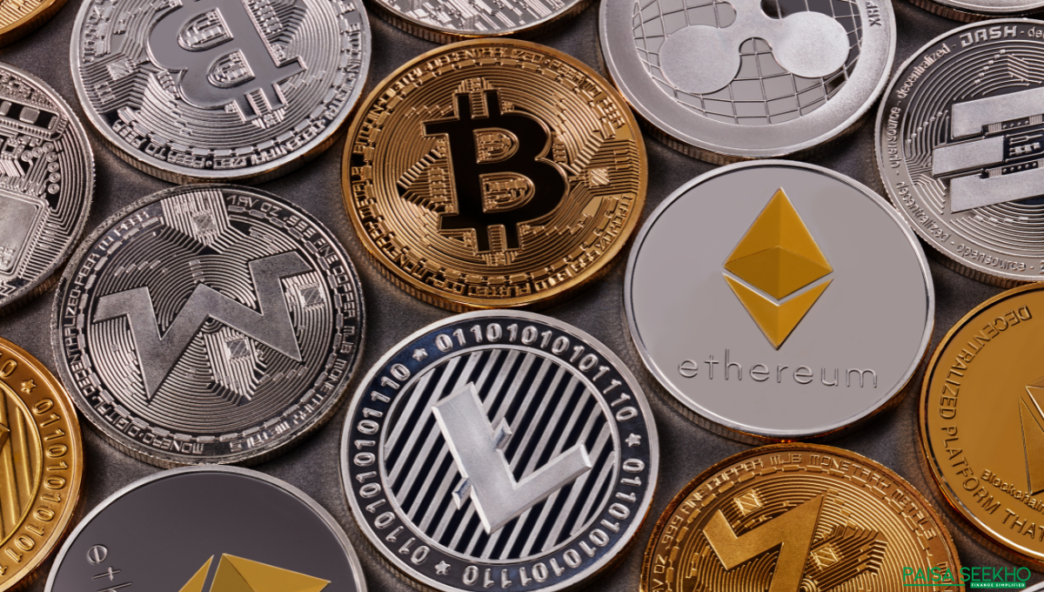
Popular cryptocurrencies include:
- Bitcoin (BTC): The first and most well-known cryptocurrency.
- Ethereum (ETH): A platform for smart contracts and decentralised apps.
- Tether (USDT): A stablecoin pegged to fiat currencies.
- Polygon (MATIC): An Indian-origin cryptocurrency used for scaling Ethereum projects.
How Does Cryptocurrency Work?
Cryptocurrencies are powered by blockchain, a distributed ledger that records all transactions. Key features include:
- Decentralisation: No central authority like a bank or government controls it.
- Transparency: Transactions are recorded publicly on the blockchain.
- Security: Cryptographic techniques make transactions secure.
In India, platforms like WazirX, CoinDCX, and ZebPay make it easy to buy, sell, and trade cryptocurrencies.
What Are NFTs?
Non-fungible tokens (NFTs) are unique digital assets representing ownership of a specific item or piece of content, such as art, music, videos, or even virtual real estate. Unlike cryptocurrencies, NFTs are not interchangeable—they are one-of-a-kind.
Examples of NFTs:
- Digital art pieces by artists like Beeple.
- In-game assets from games like Axie Infinity.
- Virtual real estate in metaverse platforms like Decentraland.
NFTs are typically bought and sold using cryptocurrencies, especially Ethereum.
Cryptocurrency and NFTs in India: Current Landscape
1. Growing Adoption
- According to reports, India ranks among the top countries in cryptocurrency adoption.
- NFTs are also gaining traction, with Indian artists, celebrities, and gamers embracing the trend.
2. Government Regulations
While cryptocurrencies remain unregulated in India, the government introduced a 30% tax on crypto gains in 2022, indicating its recognition as a legitimate asset class. NFTs fall under similar taxation rules as digital assets.
3. Technological Advancements
Indian-origin projects like Polygon (MATIC) are playing a significant role in the global crypto space, making the ecosystem more robust and attractive for Indian investors.
Should You Invest in Cryptocurrencies?
Advantages of Investing in Cryptocurrencies
- High Growth Potential: Cryptocurrencies like Bitcoin and Ethereum have shown massive growth over the years.
- Diversification: Adding crypto to your portfolio offers diversification beyond traditional stocks and bonds.
- Global Accessibility: Cryptocurrencies are borderless, allowing you to transact or invest globally without intermediaries.
- Technological Innovation: Investing in crypto supports decentralised finance (DeFi) and blockchain advancements.
Risks of Investing in Cryptocurrencies
- Volatility: Cryptocurrencies are highly volatile, with prices fluctuating significantly within short periods.
- Regulatory Risks: Uncertainty around regulations in India can affect the market.
- Scams and Hacks: The crypto space is rife with fraud and security issues, making it essential to use trusted platforms.
- No Tangible Backing: Cryptocurrencies derive their value from demand and supply, not underlying assets.
Should You Buy NFTs?
Advantages of NFTs
- Unique Ownership: NFTs provide proof of ownership for digital assets, making them appealing for collectors.
- Creative Monetisation: Artists and creators can directly sell their work without intermediaries.
- Investment Potential: Rare NFTs can appreciate in value, offering potential returns.
- Integration with Metaverse: NFTs play a significant role in virtual worlds and gaming, adding to their utility.
Risks of NFTs
- Speculation: Most NFTs derive their value from market hype, making them risky investments.
- Illiquidity: Unlike stocks or crypto, finding a buyer for NFTs can be challenging.
- Environmental Concerns: Many NFTs rely on energy-intensive blockchain networks like Ethereum.
- Regulatory Uncertainty: NFT taxation and legality in India remain unclear.
Crypto and NFT Investment Tips for 2025
If you’re considering investing in cryptocurrencies or NFTs, here’s how you can make informed decisions:
1. Start Small
Invest only what you can afford to lose. Begin with a small amount to understand the market and its risks.
2. Do Your Research
Before buying any cryptocurrency or NFT, research thoroughly. Look into:
- The project’s purpose and utility.
- The team behind it.
- Market trends and adoption rates.
3. Use Reputable Platforms
Choose reliable platforms like CoinDCX, WazirX, or OpenSea for buying cryptocurrencies and NFTs. Verify their security measures and reputation.
4. Diversify Your Portfolio
Don’t put all your money into one cryptocurrency or NFT. Diversify across different assets to reduce risk.
5. Keep Up with Regulations
Stay updated on India’s regulatory developments for cryptocurrencies and NFTs. Comply with tax obligations to avoid legal issues.
Are Cryptocurrencies and NFTs Worth It in 2025?
Cryptocurrencies
Cryptocurrencies can be worth it if:
- You’re comfortable with high-risk, high-reward investments.
- You diversify your portfolio to manage volatility.
- You stay informed about market trends and regulations.
While risky, cryptocurrencies like Bitcoin and Ethereum have shown long-term potential, making them a viable option for adventurous investors.
NFTs
NFTs are worth considering if:
- You’re passionate about digital art, gaming, or virtual assets.
- You’re willing to hold them long-term, as their value can fluctuate.
- You understand the speculative nature of the NFT market.
For most people, NFTs are better suited as collectibles or passion projects rather than serious investments.
Final Thoughts
Cryptocurrencies and NFTs are transforming the way we perceive and manage assets. In India, these technologies are still in their early stages, offering both opportunities and risks. Whether you’re considering cryptocurrencies for portfolio diversification or NFTs for their creative potential, it’s crucial to proceed with caution.
In 2025, as regulations evolve and adoption increases, the landscape of cryptocurrencies and NFTs in India is likely to mature. If you’re ready to embrace the future of finance, start small, stay informed, and invest wisely. Remember, while these assets can be worth it, they aren’t for everyone—evaluate your risk tolerance and financial goals before diving in.
FAQs
1. What is cryptocurrency, and how does it work?
Cryptocurrency is a digital or virtual currency that uses cryptography for security. Unlike traditional currencies issued by central banks, cryptocurrencies operate on decentralised networks using blockchain technology. Transactions are recorded on a public ledger, ensuring transparency and security. Popular cryptocurrencies include Bitcoin, Ethereum, and Polygon.
In India, platforms like WazirX, CoinDCX, and ZebPay make buying and selling cryptocurrencies easy. Users can trade cryptos through these apps using INR, making it accessible even for beginners.
2. What are NFTs, and how are they different from cryptocurrencies?
NFTs, or non-fungible tokens, are unique digital assets that represent ownership of a specific item or piece of content, such as digital art, music, videos, or virtual real estate. Unlike cryptocurrencies like Bitcoin or Ethereum, which are fungible (interchangeable), NFTs are one-of-a-kind and cannot be exchanged on a one-to-one basis.
For example:
- Cryptocurrency: 1 Bitcoin = 1 Bitcoin (fungible).
- NFT: Each NFT is unique and holds a distinct value (non-fungible).
NFTs are often traded on marketplaces like OpenSea, using cryptocurrencies like Ethereum.
3. Is cryptocurrency legal in India?
Cryptocurrencies are not illegal in India, but they are not yet regulated. The Indian government has introduced a 30% tax on gains from digital assets, including cryptocurrencies and NFTs, which indicates a formal acknowledgment of these assets. However, they do not have the same legal backing as traditional fiat currencies like the rupee.
Investors should stay updated on regulatory changes and ensure compliance with tax obligations while trading or investing in cryptocurrencies.
4. Are cryptocurrencies and NFTs safe investments?
Cryptocurrencies and NFTs can be safe if approached cautiously, but they come with significant risks:
- Cryptocurrencies: Prices can be highly volatile, and the market is vulnerable to regulatory changes. Always use secure wallets and trusted platforms to mitigate risks.
- NFTs: Their value is often driven by market demand and can be speculative. Additionally, liquidity can be a challenge as finding buyers may take time.
To invest safely, diversify your portfolio, start with small amounts, and thoroughly research before buying.
5. What is the minimum amount needed to invest in cryptocurrencies or NFTs in India?
You can start investing in cryptocurrencies in India with as little as ₹100 on platforms like WazirX and CoinDCX. The minimum amount for NFTs varies based on the marketplace and the value of the NFT. Some affordable NFTs may cost around ₹1,000–₹5,000, while high-value NFTs can be worth lakhs or even crores.
For beginners, it’s advisable to start small, test the waters, and gradually increase investments as you gain confidence and knowledge.
6. How do I buy cryptocurrency in India?
To buy cryptocurrency in India, follow these steps:
- Choose a Platform: Register on a crypto exchange like WazirX, CoinDCX, or ZebPay.
- Complete KYC: Verify your identity by submitting documents like Aadhaar and PAN.
- Deposit INR: Add funds to your account via UPI, bank transfer, or other payment methods.
- Buy Crypto: Select the cryptocurrency you want to buy and place an order.
Always use secure platforms and enable two-factor authentication (2FA) to safeguard your account.
7. What are the risks of investing in cryptocurrencies and NFTs?
Both cryptocurrencies and NFTs carry significant risks:
- Volatility: Prices can fluctuate dramatically, leading to potential losses.
- Regulatory Risks: Unclear regulations in India may impact the market.
- Scams: The crypto and NFT space is rife with fraud, so avoid deals that seem too good to be true.
- Liquidity Issues: Selling NFTs can take time due to the limited market.
To minimise risks, only invest what you can afford to lose, research thoroughly, and use trusted platforms.
8. Can I earn passive income with cryptocurrencies or NFTs?
Yes, you can earn passive income through:
- Staking: Lock your cryptocurrency (e.g., Ethereum, Solana) in a staking pool to earn rewards.
- Yield Farming: Provide liquidity on DeFi platforms like Uniswap to earn interest.
- NFT Royalties: Some NFTs are programmed to pay creators a royalty every time they are resold.
These methods allow you to earn additional income, but they may come with risks, such as market volatility and smart contract vulnerabilities.
9. Are cryptocurrencies better than traditional investments like stocks or mutual funds?
Cryptocurrencies are not necessarily better but are different:
- Advantages: Cryptos offer high growth potential, global accessibility, and opportunities to participate in blockchain innovations.
- Disadvantages: They are volatile, unregulated, and speculative.
Traditional investments like stocks and mutual funds are less risky and more stable, making them suitable for long-term financial goals. A balanced portfolio often includes a mix of traditional and alternative investments, depending on your risk tolerance.
10. Should I invest in cryptocurrencies or NFTs in 2025?
Whether to invest depends on your financial goals, risk appetite, and understanding of the market:
- Invest in cryptocurrencies if you’re comfortable with high-risk, high-reward assets and can stay updated on market trends.
- Invest in NFTs if you’re passionate about digital art, gaming, or collectibles and are willing to hold them for the long term.
Start small, diversify your investments, and ensure you are financially stable before venturing into these high-risk asset classes. While they can offer substantial rewards, they are not suited for everyone. Always consult a financial advisor if in doubt.