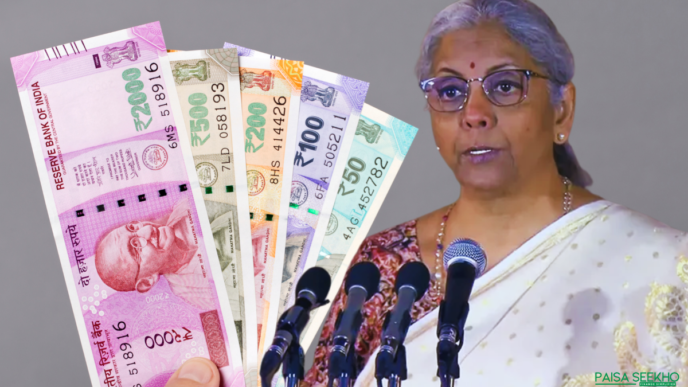
Budget 2025 tax relief second home: This introduces notable changes in tax relief measures for homeowners with two self-occupied properties. Finance Minister Nirmala Sitharaman announced on February 1 that the conditions for tax relief on a second self-occupied house have been relaxed. Previously, only one property could be valued at nil (meaning completely tax-exempt) while the second property was taxed based on its market value. The new proposal allows both properties to be valued as nil, significantly reducing the overall tax burden for middle-class homeowners.
What’s Changing for Second Self-Occupied Homes?
In a significant move, Finance Minister Nirmala Sitharaman announced on February 1 that the conditions for tax relief on a second self-occupied house are being relaxed. Earlier, only one property was allowed to be valued at nil (meaning completely tax-exempt), while the second property was taxed based on its market value. This new proposal allows both self-occupied properties to be valued as nil, thereby reducing the overall tax burden for middle-class homeowners.
Breaking Down Budget 2025 Tax Relief Second Home with an Example
Imagine owning two homes:
- Home A: The primary residence, which has always been valued at nil.
- Home B: The second self-occupied house, which previously was taxed based on its market value.
With the new rules, both Home A and Home B will now be treated as nil. This means extra taxes on the second property are eliminated, resulting in more savings at the end of the financial year.
More Good News: Increased TDS Limit on Rent
Another noteworthy change in Budget 2025 is the increase in the annual limit for Tax Deducted at Source (TDS) on rent. The current limit of ₹2.40 lakh is being raised to ₹6 lakh. This adjustment is designed to reduce the number of transactions liable to TDS, particularly benefiting small taxpayers who receive modest rental payments. It’s a thoughtful change aimed at simplifying the tax process.
Why This Matters
These changes are part of a broader effort to create a more taxpayer-friendly system and ease the financial strain on everyday citizens. By providing tax relief for second self-occupied homes, the government acknowledges the financial realities of middle-class families who may own more than one property. The intent is to keep more money in the hands of taxpayers for personal needs and future investments.
Looking Ahead
Budget 2025 is packed with reforms not just in taxation but across various sectors including power, urban development, mining, and the financial sector. With initiatives aimed at boosting consumption, simplifying the tax structure, and driving economic growth, it is clear that the government is working to create a more balanced and progressive financial landscape in India.
Final Thoughts
The Finance Minister’s announcement marks a positive shift towards easing the tax burden on middle-class homeowners. The new rule allowing both self-occupied houses to be valued as nil, along with the raised TDS limit on rent, demonstrates the government’s commitment to simplifying tax compliance and reducing financial strain. These measures are part of a broader strategy to stimulate economic growth and create a more efficient tax system for all.