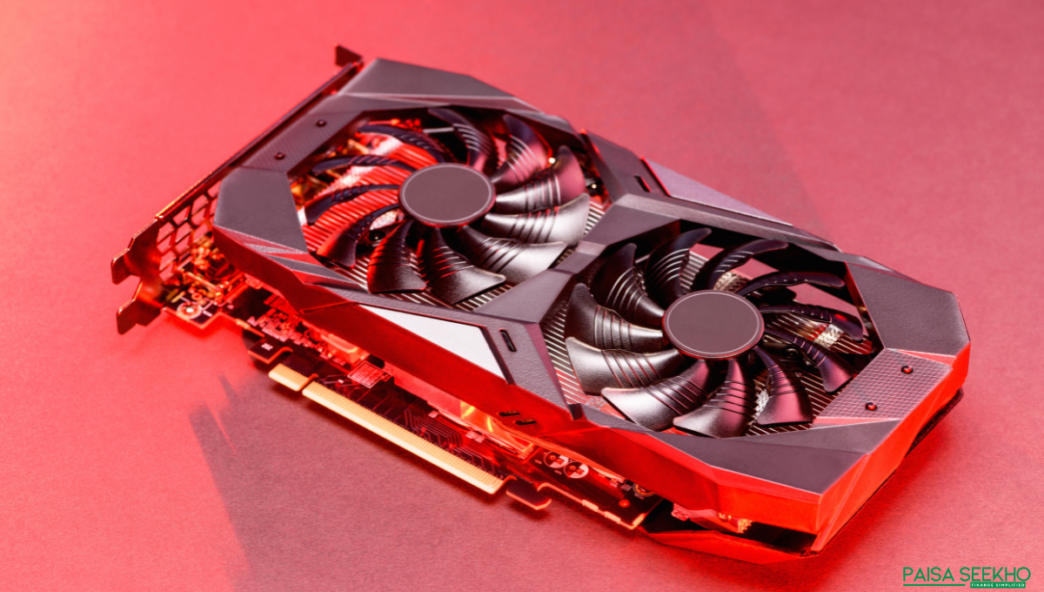
The issue of India AI GPU restrictions has gained prominence as the U.S. imposes new limits on the export of advanced GPUs. These high-performance chips are crucial for AI research and development, and the restrictions present significant challenges to India’s rapidly growing AI ecosystem. As the demand for AI-powered innovations continues to rise, these limitations threaten to impede progress across industries reliant on advanced computational capabilities.
The Importance of GPUs
GPUs form the backbone of AI operations, powering deep learning models, large-scale computations, and real-time analytics. Their unparalleled processing power enables breakthroughs in areas such as natural language processing, healthcare diagnostics, autonomous systems, and predictive analytics. Indian researchers, universities, and start-ups heavily rely on these technologies to innovate and maintain competitiveness in the global AI race.
Restricted access to advanced GPUs could severely hamper India’s ability to develop cutting-edge solutions in key sectors, including healthcare, agriculture, and education. Without these essential tools, the pace of innovation may slow down, potentially widening the gap between India and global leaders in AI technology. This creates additional pressure on India to explore alternative solutions to secure its AI ambitions.
India AI GPU Restrictions: Potential Solutions
To mitigate the impact of these restrictions, India must focus on fostering indigenous GPU development through strategic investments in semiconductor research and production. Encouraging public-private partnerships will be vital to building local manufacturing capabilities, enabling India to reduce its reliance on imports. Establishing semiconductor fabrication facilities and incentivising domestic innovation could lay the groundwork for a self-reliant ecosystem.
Furthermore, international collaborations with countries not bound by such restrictions could provide interim relief. By leveraging partnerships with global technology providers and sharing resources, India can ensure continued access to critical hardware for AI research. Additionally, government policies supporting research grants, tax incentives, and technology incubators can create a robust framework to drive advancements in the AI sector.
By addressing these challenges proactively, India can safeguard its AI aspirations and maintain its trajectory as a leading innovator in technology. These efforts will not only strengthen the AI ecosystem but also contribute to the country’s broader economic and technological growth, ensuring resilience against external restrictions in the future.