In today’s fast-paced digital economy, payment options have evolved to cater to the needs of young consumers. Gen Z, in particular, prefers flexibility and convenience when it comes to managing finances. Among the most popular payment methods are credit cards vs Buy Now, Pay Later (BNPL) services. Both offer ways to access credit and manage purchases, but which one is better for Gen Z in India? Let’s look at the pros, cons, and key differences between credit cards vs BNPL services to help you make informed financial decisions.
Understanding Credit Cards and BNPL
What Are Credit Cards?
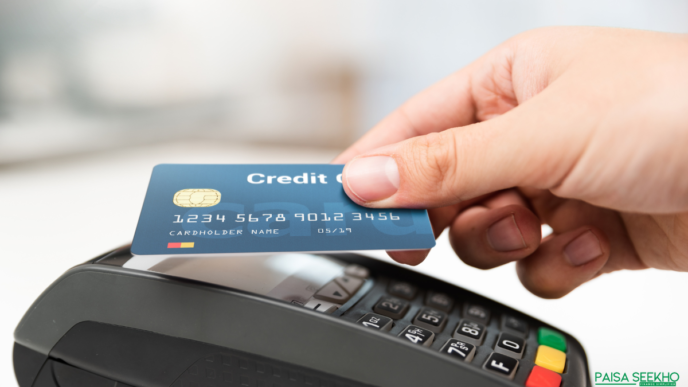
A credit card allows you to borrow money up to a pre-approved limit for purchases, with the option to pay the balance in full or over time. Credit cards come with interest rates, annual fees, and various rewards programs.
Key Features of Credit Cards:
- Flexible repayment with a minimum due amount.
- Rewards like cashback, discounts, and travel points.
- Credit score building through timely repayments.
What Is BNPL?
Buy Now, Pay Later (BNPL) is a short-term financing option that allows you to split your purchase into smaller, interest-free instalments over weeks or months. BNPL services in India, like LazyPay, Simpl, and ZestMoney, are integrated with online and offline merchants.
Key Features of BNPL:
- Instant approval with minimal documentation.
- Interest-free repayment for shorter durations.
- Repayment periods typically range from 15 days to 12 months.
Credit Cards vs BNPL: A Detailed Comparison
1. Eligibility and Accessibility
- Credit Cards: Require a good credit score and stable income. Banks conduct a thorough background check before approval.
- BNPL: Easier to access, often requiring only basic KYC documents. Suitable for those without a credit history, like students and first-time earners.
Winner: BNPL is more accessible for Gen Z, especially those new to credit.
2. Interest Rates
- Credit Cards: Charge high interest rates, ranging from 30% to 40% annually, if balances aren’t paid in full.
- BNPL: Typically offers interest-free periods but may charge interest for longer repayment plans.
Winner: BNPL is more cost-effective for short-term credit needs.
3. Credit Limit
- Credit Cards: Offer higher credit limits, making them suitable for big-ticket purchases.
- BNPL: Limits are lower, usually starting around ₹5,000 to ₹50,000, depending on the provider and user’s profile.
Winner: Credit cards are better for those requiring higher credit limits.
4. Repayment Flexibility
- Credit Cards: Allow partial payments but charge interest on the remaining balance.
- BNPL: Offers fixed instalments with no flexibility to adjust the repayment amount.
Winner: Credit cards provide more flexibility, but BNPL’s fixed instalments can help with budgeting.
5. Rewards and Benefits
- Credit Cards: Offer extensive perks, including cashback, reward points, discounts, and lounge access.
- BNPL: Typically does not offer rewards but may provide cashback on specific merchant platforms.
Winner: Credit cards are better for rewards and benefits.
6. Impact on Credit Score
- Credit Cards: Help build a strong credit score when used responsibly. Missed payments, however, can damage your score.
- BNPL: Minimal impact on credit scores unless the provider reports defaults to credit bureaus.
Winner: Credit cards are more beneficial for building credit history.
7. Acceptance
- Credit Cards: Widely accepted for online and offline transactions, both domestically and internationally.
- BNPL: Limited to partner merchants, primarily in e-commerce and select offline stores.
Winner: Credit cards offer greater versatility and acceptance.
Pros and Cons of Credit Cards for Gen Z
Pros:
- High Credit Limits: Ideal for large purchases or emergencies.
- Rewards and Cashback: Attractive perks for frequent users.
- Global Acceptance: Use it for international travel or online shopping.
- Credit History: Helps establish a strong credit score for future loans.
Cons:
- High Interest Rates: Carrying balances can lead to costly interest.
- Eligibility Barriers: Requires stable income and creditworthiness.
- Risk of Overspending: Easy access to credit can lead to financial mismanagement.
Pros and Cons of BNPL for Gen Z
Pros:
- Instant Approval: Quick and hassle-free access to credit.
- Interest-Free Plans: No cost for short repayment terms.
- Budget-Friendly: Fixed instalments make it easier to plan repayments.
- Accessible for Beginners: Suitable for those without a credit history.
Cons:
- Lower Credit Limits: May not suffice for big purchases.
- Limited Merchant Network: Only works with partnered retailers.
- No Credit History: Does not contribute significantly to building credit scores.
When to Choose Credit Cards?
Opt for a credit card if:
- You have a steady income and can repay balances on time.
- You want rewards, cashback, or travel perks.
- You plan to use credit for large purchases or international transactions.
- You’re focused on building your credit score for future loans.
When to Choose BNPL?
BNPL is a better option if:
- You’re a student or young professional with no credit history.
- You want to split small purchases into manageable instalments.
- You prefer a simple, interest-free payment plan.
- You don’t qualify for a credit card or want a low-risk alternative.
Tips for Using Credit Cards and BNPL Wisely
- Avoid Impulse Purchases: Only use credit for necessary expenses.
- Track Spending: Use apps to monitor expenses and ensure timely repayments.
- Pay on Time: Avoid late fees and interest by repaying credit balances before the due date.
- Read Terms and Conditions: Understand the fees, penalties, and repayment policies for both credit cards and BNPL services.
- Limit Credit Usage: Use less than 30% of your credit limit to maintain financial health.
Are Credit Cards or BNPL Better for Gen Z?
The answer depends on your financial habits and needs:
- Choose Credit Cards if you want long-term benefits, higher credit limits, and rewards.
- Choose BNPL for short-term, interest-free credit with minimal eligibility requirements.
For most Gen Z users in India, BNPL is an excellent starting point due to its ease of access and low barriers. However, as financial responsibilities grow, transitioning to a credit card can provide better rewards and credit-building opportunities.
Final Thoughts
Both credit cards and BNPL have their merits and limitations. The best option for Gen Z depends on individual spending habits, repayment capacity, and financial goals. BNPL works well for small, manageable purchases, while credit cards are ideal for long-term financial benefits and higher spending power.
No matter which option you choose, the key is to use credit responsibly. Make timely repayments, avoid overspending, and focus on building good financial habits that set the foundation for a secure financial future.
FAQs
1. What is the main difference between credit cards and BNPL?
The main difference lies in their usage and repayment structure:
- Credit Cards: Allow you to borrow up to a pre-approved limit and repay either partially or in full, with interest charged on unpaid balances.
- BNPL: Lets you split purchases into smaller, often interest-free instalments, typically for short repayment durations.
Credit cards offer more flexibility and higher credit limits, while BNPL is simpler and often interest-free for short-term credit.
2. Which is easier to get: a credit card or BNPL?
BNPL is easier to access, as it requires minimal documentation and no credit history. Providers often approve applications instantly based on basic KYC details.
Credit cards, on the other hand, require a stable income and a good credit score, making them harder to qualify for, especially for students or first-time earners.
3. Do BNPL services impact my credit score?
BNPL services may not always impact your credit score, as some providers do not report transactions to credit bureaus. However, missed payments or defaults may be reported, which can negatively affect your credit score.
Credit cards, in contrast, directly impact your credit score, positively or negatively, depending on how you manage repayments.
4. Are credit cards or BNPL better for building credit history?
Credit cards are better for building credit history. Timely payments improve your credit score, which is essential for securing loans in the future.
BNPL may not significantly contribute to your credit score unless the provider reports activity to credit bureaus.
5. What are the costs associated with credit cards and BNPL?
- Credit Cards: Charge high interest rates (30%–40% annually) on unpaid balances, along with annual fees, late payment fees, and over-limit charges.
- BNPL: Often offers interest-free repayment for short-term plans but may charge late payment fees or interest on extended repayment durations.
BNPL is typically more cost-effective for short-term credit needs, while credit cards can be expensive if balances are not paid in full.
6. Which is better for online shopping: credit cards or BNPL?
It depends on your preferences:
- Credit Cards: Offer extensive rewards, cashback, and discounts on various online platforms.
- BNPL: Provides easy instalment options with partnered merchants, making it ideal for budget-friendly purchases.
For frequent online shoppers who value rewards, credit cards are a better option. For one-off purchases with manageable instalments, BNPL works well.
7. Can I use BNPL for offline purchases?
Yes, many BNPL services like LazyPay and Simpl are accepted at offline stores, including restaurants, pharmacies, and retail outlets. However, their merchant networks are limited compared to credit cards, which are widely accepted both online and offline.
8. What are the risks of using BNPL?
The risks of using BNPL include:
- Overspending: Easy approval and instalment plans may encourage impulsive purchases.
- Late Payment Fees: Missing repayments can result in penalties.
- Limited Credit Building: BNPL does not always contribute to building a credit history.
To minimise risks, use BNPL only for essential purchases and ensure timely repayments.
9. What rewards do credit cards offer that BNPL doesn’t?
Credit cards offer a variety of rewards, such as:
- Cashback on purchases.
- Reward points redeemable for discounts, travel, or gifts.
- Complimentary lounge access at airports.
- Special offers on dining, shopping, and entertainment.
BNPL services rarely offer such rewards, focusing instead on instalment-based repayment convenience.
10. Which is better for students: credit cards or BNPL?
For students, BNPL is generally a better option as it is easier to access, requires no credit history, and offers interest-free instalments for short durations.
Credit cards may not be ideal for students without a stable income, as they carry stricter eligibility criteria and higher risks of debt due to interest on unpaid balances.