If you’re anything like me, UPI has probably become your go-to for everything—paying for that late-night biryani order, splitting cab fare with friends, or sending money to your mom back home. Apps like Google Pay, PhonePe, and Paytm have made life so easy, right? But here’s the thing: while we’re busy tapping away, scammers are getting sneakier. In 2024, UPI scams cost Indians crores, according to the National Cybercrime Reporting Portal. Don’t panic, though! This guide is all about how to avoid UPI scams so you can keep your money safe and sleep peacefully at night. Let’s dive in!
Why UPI Scams Are on the Rise in India
UPI—short for Unified Payments Interface—is a superstar in India’s digital world. NPCI data shows we hit over 14 billion transactions in December 2024 alone! That’s insane, right? From roadside chai stalls to swanky malls, everyone’s using it. But with popularity comes trouble. Scammers love UPI because it’s fast and linked directly to your bank account. One wrong move, and poof—your money’s gone. The good news? You can outsmart them with a little know-how. Let’s see how!
Common UPI Scams You Need to Watch Out For
Before we get to the safety tips, let’s look at the tricks scammers pull. Knowing their playbook is half the battle won!
1. Fake Payment Requests
You get a “Request Money” notification on your UPI app from an unknown ID. It might say “Pay ₹2000 for your Amazon order.” If you approve it without checking, the money’s gone!
2. Phishing Messages and Calls
Ever got a text like, “Your account is blocked, send OTP to unblock”? Or a call from someone pretending to be from SBI or PhonePe asking for your PIN? That’s phishing—pure and simple.
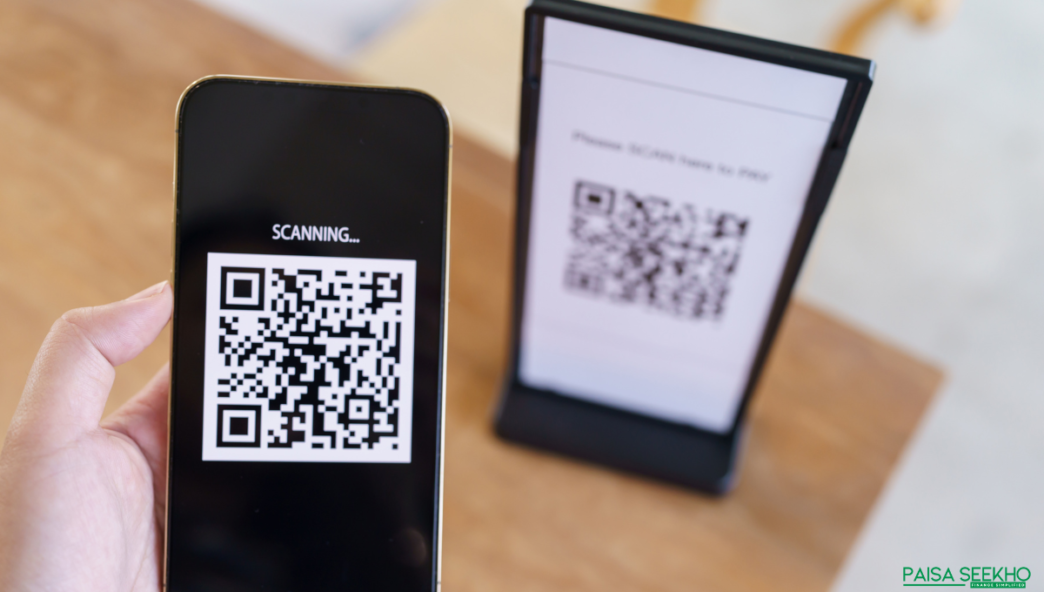
3. Dodgy QR Codes
You scan a QR code at a shop, thinking you’re paying the vendor. But oops—it’s a fake code, and your money lands in a scammer’s pocket instead.
4. Impersonation Fraud
A “delivery guy” calls, saying your parcel is stuck and you need to pay ₹1 via UPI to release it. You send it, and then—surprise!—no parcel, no refund.
Now that we know the enemy, let’s arm ourselves with some solid tips.
Top Tips on How to Avoid UPI Scams
Here’s your cheat sheet to stay safe while using UPI. These are simple, practical steps—nothing fancy, just good old desi common sense!
1. Never Share Your UPI PIN or OTP
This is rule number one, yaar! Your UPI PIN is like the key to your locker—keep it secret. Same goes for OTPs (One-Time Passwords). No legit bank or app—SBI, HDFC, Google Pay, you name it—will ever ask for these. If someone does, hang up or delete the message pronto.
- Real-Life Save: My buddy got a call from a “bank official” asking for his OTP to “fix” a transaction. He said “No way!” and saved his ₹15,000.
2. Double-Check Before Approving Requests
Got a payment request on your app? Don’t hit “Pay” in a hurry. Check the sender’s name and UPI ID. If it’s unfamiliar—like “xyz123@upi” instead of your friend’s “rahul@okhdfcbank”—pause and verify. Scammers bank on you being distracted.
- Quick Fix: Call or text the person to confirm before paying.
3. Be Wary of QR Codes
Love scanning QR codes at shops or stalls? Be careful! A fake QR code can trick you into sending money to a scammer. Always ask the vendor to confirm the amount and recipient details before scanning.
- Pro Tip: Some apps let you “Verify UPI ID” before paying—use it!
4. Stick to Official Apps
Download your UPI apps—like BHIM, Paytm, or PhonePe—only from Google Play Store or Apple App Store. Fake apps floating around on shady websites can steal your details faster than you can say “scam.”
- Why It Matters: A fake app once duped my cousin into entering his PIN—lesson learned the hard way!
5. Set Transaction Limits
Most UPI apps let you set a daily limit—like ₹5,000 or ₹10,000. If a scammer gets access, they can’t drain your whole account. It’s like putting a cap on your losses.
- How To: Go to your app’s settings, find “UPI Transaction Limit,” and adjust it.
Extra Layers of Protection
Want to be extra safe? Here are a few more tricks to keep scammers at bay.
6. Ignore Unsolicited Calls and Messages
Got a call saying, “Send ₹1 to verify your UPI”? Or a text with a random link? Ignore it! Scammers often use these to trick you into sharing details or clicking malware links. If it’s legit, your bank will contact you through official channels.
- Smart Move: Block the number and report it on your app.
7. Keep Your Phone Locked and Updated
Use a strong phone lock—PIN, fingerprint, or face ID—so no one can mess with your UPI apps if your phone’s lost. Also, update your phone and apps regularly. Updates patch security holes scammers love to exploit.
- Easy Peasy: Check for updates weekly in your app store.
8. Check Your Bank Statements
Make it a habit to peek at your bank account or UPI app history every few days. Spot a weird transaction—like ₹500 you didn’t make? Report it to your bank ASAP. Early action can save your money!
- My Routine: I check every Sunday while sipping chai—takes 2 minutes.
What to Do If You Get Scammed
Even the best of us can slip up. If you fall for a UPI scam, don’t beat yourself up—act fast!
- Call Your Bank: Dial their helpline (e.g., SBI: 1800-11-2211) and report the fraud right away.
- Report to Cybercrime: Visit cybercrime.gov.in or call 1930 within 24 hours. Share details like transaction ID and the scammer’s number.
- Change Your PIN: Reset your UPI PIN immediately to lock out the scammer.
- Warn Others: Tell your WhatsApp group—scammers often hit multiple targets.
- Hopeful Note: Quick reporting sometimes reverses the transaction—fingers crossed!
Wrapping Up: Stay Sharp, Stay Safe
UPI is a blessing—fast, easy, and perfect for our busy lives. But scammers are out there, waiting for us to slip. By following these tips on how to avoid UPI scams, you’re putting up a big “No Entry” sign for them. Keep your PIN secret, double-check everything, and stay alert—it’s that simple! Next time you pay for your vada pav or send rent to your landlord, you’ll do it with confidence. Got a scam story or a safety trick? Share it in the comments—I’d love to hear from you!
Frequently Asked Questions (FAQs)
Got UPI scam questions? Here are answers to common queries people search for!
1. How Do I Know If a UPI Request Is Fake?
Check the sender’s name and UPI ID. If it’s unfamiliar or doesn’t match who you expect (e.g., “shop123@upi” instead of “rahul@okicici”), don’t pay. Call the person to confirm.
2. Can Scammers Steal Money Without My PIN?
No, they need your UPI PIN to complete a payment. Never share it, even if they claim it’s “just to verify.” OTPs are for logins, not payments—don’t fall for that either!
3. What Should I Do If I Scanned a Fake QR Code?
Contact your bank immediately and report it on cybercrime.gov.in or 1930. The faster you act, the better your chances of recovering the money.
4. Are UPI Apps Safe to Use in India?
Yes, apps like Google Pay and PhonePe are secure with encryption and PIN protection. Just download them from official stores and follow safety tips like these.
5. How Can I Report a UPI Scam?
Call 1930 or file a complaint on cybercrime.gov.in with details like the transaction ID, date, and scammer’s number. Also, inform your bank right away.