Car rims are more than just functional components of your vehicle—they’re a reflection of style and performance. While their primary role is to support tyres and facilitate a smooth drive, rims also contribute significantly to your car’s aesthetics and handling. This blog will guide you through everything you need to know about selecting the perfect rims for your car, ensuring both form and function are considered.
What Are Car Rims?
Car rims, often referred to as wheels, are the circular frames that hold the tyre in place. While commonly used interchangeably with “wheels,” the term “rim” specifically refers to the outer edge of the wheel assembly.
Functions of Car Rims:
- Supporting Tyres:
Rims provide a secure structure for tyres, ensuring stability and proper alignment. - Enhancing Performance:
The size, weight, and material of rims impact handling, acceleration, and braking. - Improving Aesthetics:
Rims add a stylish touch to vehicles, offering a wide range of designs, colours, and finishes for personalisation.
What Are the Different Types of Car Rims?
Each rim type is designed to meet specific needs, from durability to style. Below are the most common options:
1. Steel Rims:
- Advantages: Durable, affordable, and ideal for rough driving conditions.
- Drawbacks: Heavier, which may reduce fuel efficiency and impact handling.
2. Alloy Rims:
- Advantages: Lightweight, stylish, and available in various designs and finishes.
- Drawbacks: Less durable than steel and more expensive.
3. Chrome Rims:
- Advantages: Shiny and reflective finish for a bold, attention-grabbing look.
- Drawbacks: Require regular maintenance to avoid tarnishing and corrosion.
4. Multi-Piece Rims:
- Advantages: Highly customisable and repairable, as individual sections can be replaced.
- Drawbacks: Expensive and more complex to maintain.
How to Choose the Perfect Car Rims?
When selecting rims, consider both aesthetics and practicality. Here’s what to keep in mind:
1. Compatibility:
- Ensure the rims match your car’s specifications, including bolt pattern, size, and offset.
2. Size:
- Larger rims enhance aesthetics but may lead to a firmer ride. Consider the balance between appearance and comfort.
3. Material:
- Opt for materials that suit your driving habits. Alloy rims are ideal for urban driving, while steel rims are better for rugged terrain.
4. Design:
- Choose designs that complement your car’s style—whether sleek and modern or bold and sporty.
5. Budget:
- Set a budget that accounts for durability and quality, as cutting corners might compromise safety.
Difference Between Alloy and Steel Rims
Understanding the key differences between alloy and steel rims will help you decide which suits your needs:
| Feature | Steel Rims | Alloy Rims |
| Material | Steel | Aluminium or magnesium alloys |
| Weight | Heavier; may reduce efficiency | Lightweight; enhances performance |
| Durability | Highly durable | Less durable but strong |
| Design | Limited options | Wide variety of styles and finishes |
| Cost | Affordable | More expensive |
| Maintenance | Low maintenance but prone to rust | Requires regular care to maintain finish |
Car Rim Prices in India
Rim prices in India vary depending on material, design, and brand. Here’s a general guide:
- Steel Rims: INR 1,500–4,000 per rim (basic models).
- Alloy Rims: INR 3,000–15,000 per rim (depending on size and design).
- Custom/Chrome Rims: INR 5,000–50,000 or more for high-end or customised options.
Where to Buy:
- Authorised Dealers: For genuine products and warranties.
- Online Platforms: Ensure authenticity by purchasing from reputable sellers.
Car Rim Maintenance Tips
Proper maintenance ensures your rims remain functional and stylish:
- Regular Cleaning:
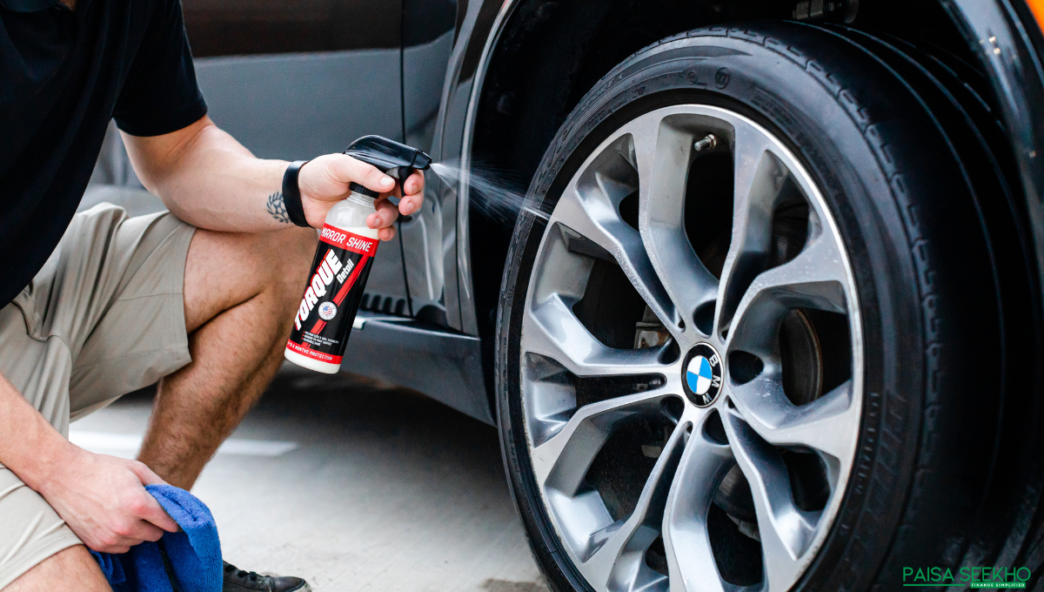
- Remove dirt, brake dust, and grime to prevent corrosion.
- Use the Right Products:
- Choose cleaning agents compatible with your rim material (e.g., non-acidic for chrome).
- Inspect for Damage:
- Regularly check for cracks, bends, or scratches.
- Avoid Rough Roads:
- Drive cautiously to prevent unnecessary wear or damage.
- Professional Servicing:
- Schedule periodic checks with experts for alignment and repairs.
Are Car Rims Covered by Insurance?
Comprehensive Coverage:
- Covers rim damage due to accidents, theft, or natural disasters.
Collision Insurance:
- May cover rim repairs or replacements following a collision.
Add-On Coverage:
- Opt for add-ons to cover expensive or customised rims.
Exclusions:
- Wear and tear or damage due to neglect typically aren’t covered.
Final Thoughts
Choosing the right rims not only enhances your car’s appearance but also impacts its performance and safety. With proper research and maintenance, you can make a choice that aligns with your preferences and driving needs.
FAQs
1. Can I fit any rim on my car?
No, rims must match your vehicle’s specifications, including size, bolt pattern, and offset, to ensure safety and optimal performance.
2. Does rim size affect performance?
Yes, larger rims may improve handling and aesthetics but can result in a stiffer ride and reduced fuel efficiency.
3. Are alloy rims worth the extra cost?
Alloy rims enhance performance, fuel efficiency, and style, making them a worthwhile investment for many drivers.
4. How often should I replace rims?
Rims can last the car’s lifetime with proper care but should be replaced if they become cracked, bent, or severely damaged.
5. Can I repaint or customise my rims?
Yes, rims can be painted or coated for a customised look, but professional services are recommended for best results.
6. Are mismatched rims and tyres safe?
No, mismatched rims and tyres can cause uneven wear, reduced handling, and potential safety risks. Always ensure compatibility.
7. How do I clean chrome rims?
Use non-abrasive cleaners specifically designed for chrome to maintain their shine and prevent tarnishing.
8. Does insurance cover rim damage?
Comprehensive insurance may cover damage due to accidents or theft, but regular wear and tear is usually excluded.
9. How does rim weight impact driving?
Heavier rims may reduce acceleration and fuel efficiency, while lighter rims improve handling and overall performance.
10. Should I buy rims online?
Yes, but ensure you purchase from reputable platforms and verify compatibility with your vehicle before buying.