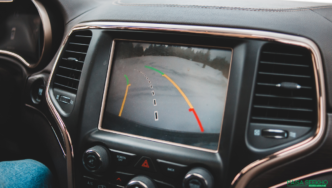

Modern vehicles are evolving into technological powerhouses, with sensors playing a pivotal role in ensuring safety, efficiency, and convenience. These advanced systems are revolutionising the way we drive, making vehicles smarter and more intuitive. This blog delves into the world of car sensor technology, helping you understand its various types, functions, and importance.
What Are Car Sensors?
Car sensors are like the nervous system of a vehicle, constantly monitoring internal and external conditions to ensure optimal performance and safety.
1. Definition:
Car sensors detect specific conditions in the vehicle or its surroundings and transmit the information to the onboard computer system, which adjusts the car’s operations accordingly.
2. Purpose:
- Monitor critical parameters like speed, temperature, and pressure.
- Enhance performance and fuel efficiency.
- Improve safety by preventing accidents and ensuring smoother driving.
3. Types of Car Sensors:
- Speed Sensors: Monitor vehicle speed.
- Temperature Sensors: Keep track of engine and coolant temperatures.
- Pressure Sensors: Ensure appropriate pressure levels in tyres and other parts.
- Oxygen Sensors: Regulate emissions and fuel efficiency.
- Parking Sensors: Assist drivers during parking by detecting obstacles.
4. Importance:
- Enhance vehicle longevity by ensuring proper maintenance.
- Prevent accidents by offering real-time alerts.
- Optimise fuel efficiency and reduce environmental impact.
Different Types of Sensors in Cars
1. Oxygen Sensors:
- Function: Detect oxygen levels in exhaust gases to optimise air-fuel mixture and control emissions.
- Importance:
- Reduce pollution.
- Improve mileage by ensuring efficient combustion.
2. Mass Air Flow (MAF) Sensor:
- Function: Measures the mass of air entering the engine for accurate fuel injection.
- Importance:
- Enhance fuel efficiency.
- Prevent engine damage by identifying air intake imbalances.
3. Engine Oil Level Sensor:
- Function: Monitors engine oil levels and alerts the driver if they fall below the recommended level.
- Importance:
- Prevents friction and wear.
- Ensures smooth engine performance.
4. Engine Oil Pressure Sensor:
- Function: Measures oil pressure and alerts the driver to abnormalities.
- Importance:
- Protects engine components.
- Prevents major mechanical failures.
5. Coolant Temperature Sensor:
- Function: Monitors coolant temperature and prevents engine overheating.
- Importance:
- Protects the engine from heat damage.
- Ensures efficient engine performance.
6. Coolant Level Sensor:
- Function: Detects coolant levels in the radiator and reservoir.
- Importance:
- Prevents overheating.
- Extends engine life.
7. Air Intake Temperature Sensor:
- Function: Measures the temperature of air entering the engine to adjust the air-fuel mixture.
- Importance:
- Enhances efficiency and power.
- Adapts to varying driving conditions.
8. Manifold Absolute Pressure (MAP) Sensor:
- Function: Measures pressure in the intake manifold for precise fuel injection.
- Importance:
- Optimises fuel consumption.
- Improves engine performance.
9. Boost Pressure Sensor:
- Function: Monitors pressure in turbocharged engines to ensure proper operation.
- Importance:
- Enhances power and torque.
- Prevents overboost-related damage.
10. Engine Knock Sensor:
- Function: Detects engine knock and adjusts timing to prevent damage.
- Importance:
- Maintains engine health.
- Improves fuel efficiency.
11. Car Reverse Sensor:
- Function: Measures distance from obstacles when reversing and provides alerts.
- Importance:
- Prevents collisions.
- Simplifies parking in tight spaces.
Impact of Car Sensors on Car Insurance
- Auto-fitted Sensors: Opt for a Zero Depreciation add-on cover to protect factory-installed sensors.
- Externally Fitted Sensors: Inform the insurance provider and include coverage for electrical (e.g., cameras, music systems) and non-electrical accessories (e.g., seat covers, alloy wheels).
Car Sensor Technology Maintenance Tips
- Regular Cleaning: Dust and debris can impair sensor performance, especially external ones like parking sensors.
- Avoid Physical Damage: Be cautious in tight spaces to protect external sensors.
- Schedule Checks: Include sensor checks in routine maintenance.
- Professional Inspection: Consult experts for calibration and repairs.
- Timely Replacements: Replace faulty sensors promptly.
- Use Quality Parts: Always choose manufacturer-recommended sensors.
Frequency of Sensor Checks
- Routine Maintenance: Every 10,000-15,000 kilometres.
- Warning Signs: Address dashboard alerts immediately.
- Annual Inspection: Even without issues, have sensors professionally checked once a year.
- Post-Accident: Always inspect sensors after collisions.
Final Thoughts
Car sensors are the unsung heroes of modern driving, ensuring safety, efficiency, and convenience. Regular maintenance and prompt replacements can extend their lifespan, keeping your vehicle in peak condition. As car sensor technology advances, car sensors will play an even more critical role in shaping the future of driving.
FAQs
1. What is the primary function of car sensors?
Car sensors monitor various parameters to ensure safety, efficiency, and optimal vehicle performance by relaying real-time data to the onboard computer.
2. How do sensors enhance driving safety?
Sensors reduce accidents by monitoring blind spots, alerting drivers to potential issues, and activating safety features like ABS.
3. Can faulty sensors impact fuel efficiency?
Yes, malfunctioning sensors like the MAF or O2 sensor can disrupt air-fuel ratios, leading to inefficient combustion and reduced mileage.
4. How can I identify a malfunctioning sensor?
Dashboard warning lights, reduced efficiency, and erratic vehicle performance are common indicators of faulty sensors.
5. Are car sensors weather-sensitive?
While designed to endure various weather conditions, extreme temperatures, humidity, and precipitation can occasionally affect sensor performance.
6. Should all sensors be replaced after a set time?
Not necessarily. Replace sensors as they malfunction or reach the end of their lifespan, as recommended by the manufacturer.
7. How do reverse sensors benefit drivers?
Reverse sensors detect obstacles during parking, preventing collisions and simplifying manoeuvres in tight spaces.
8. Can I clean or replace sensors myself?
Cleaning is possible, but replacements and calibrations are best left to professionals to avoid errors.
9. Do car sensors require regular maintenance?
Yes, regular cleaning, professional inspections, and timely replacements are crucial for optimal sensor performance.
10. How can car sensors impact insurance claims?
Factory-installed sensors are covered under Zero Depreciation policies, while external ones require additional coverage. Ensure your policy includes these to safeguard your investment.