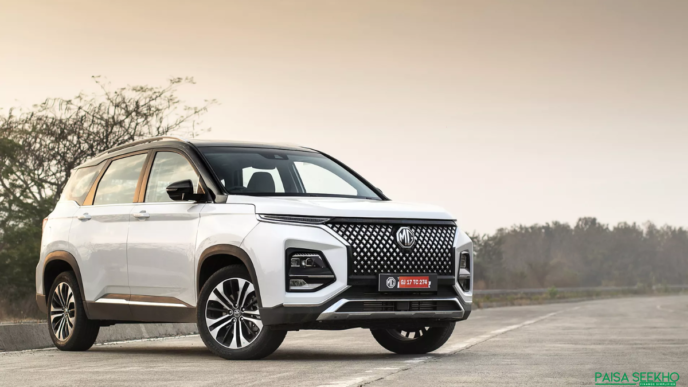
Car modification is an exciting way to personalise your vehicle, enhancing its aesthetics or performance to suit your style and needs. However, in India, car modifications are subject to strict rules and regulations. Without proper knowledge, your customisation efforts could lead to legal complications or issues with your car insurance. This guide outlines everything you need to know about car modification rules, types of modifications, and their implications.
What is a Modified Car?
A modified car is any vehicle that has been altered from its original manufacturing specifications. Modifications can range from simple cosmetic changes like new paintwork to complex upgrades like engine tuning for improved performance.
Types of Modifications:
- Cosmetic Modifications: These focus on enhancing the car’s appearance without affecting its functionality. Examples include:
- Custom paint jobs or vinyl wraps
- Alloy wheels and body kits
- LED lighting upgrades
- Performance Modifications: These aim to improve the car’s driving dynamics. Examples include:
- Engine tuning for better horsepower
- Suspension modifications for improved handling
- Upgraded exhaust systems for better performance or sound
Types of Car Modifications
1. Exterior Modifications
- Paint Jobs: Custom colours, matte finishes, and vinyl wraps to personalise the car’s look.
- Alloy Wheels: Upgraded rims for aesthetic appeal and potentially better handling.
- Body Kits: Spoilers and aerodynamic designs for a sporty look.
- Lighting Upgrades: LED or HID lights for enhanced visibility and style.
2. Interior Modifications
- Custom Upholstery: Premium leather or fabric for seats and interiors.
- Tech Upgrades: Infotainment systems, reverse cameras, and advanced speakers.
- Ambient Lighting: Adds a unique touch to the car’s cabin.
3. Performance Modifications
- Engine Tuning: Enhances fuel efficiency or power.
- Exhaust Upgrades: Provides a distinct sound and performance boost.
- Brake and Suspension Modifications: Improves safety and handling.
Car Modification Rules in India
Modifying cars in India comes with legal restrictions under the Motor Vehicles Act. Here’s what you need to know about car modification rules in India.
- Legal Approvals: Major modifications require approval from the Regional Transport Office (RTO).
- Safety Standards: Modifications must adhere to the safety standards set by the Automotive Research Association of India (ARAI).
- Structural Changes: Structural modifications like altering the chassis require RTO approval.
- Colour Changes: A change in car colour must be updated on your Registration Certificate (RC).
- Noise Pollution: Loud exhausts and horns beyond the permissible limits are illegal.
- Emission Compliance: Modified vehicles must adhere to prescribed emission norms.
How Modifications Affect Car Insurance
Car modifications can significantly impact your car insurance policy:
- Higher Premiums: Insurers may increase premiums for modified cars due to added risk.
- Claim Rejection: Illegal or undisclosed modifications can lead to claim denial.
- Policy Voidance: Certain unauthorised modifications might void your policy entirely.
- Special Insurance: Some insurers offer specific policies for modified vehicles, covering the additional components.
Important Tip: Always inform your insurer about modifications to avoid complications during claim settlement.
Modifications That Typically Do Not Affect Insurance
- Cosmetic Changes: Vinyl wraps, decals, and non-reflective paint jobs.
- Interior Enhancements: Seat covers, ambient lighting, and infotainment systems.
- OEM Replacements: Replacing parts with Original Equipment Manufacturer (OEM) components.
Modifications Requiring RTO Approval
- Engine Tuning: Any changes affecting engine performance or fuel type.
- Structural Changes: Altering the chassis or body of the vehicle.
- Colour Change: Painting the car a new colour.
- Custom Horns or Silencers: Installing components beyond permissible decibel limits.
Tips for Legal and Hassle-Free Modifications
- Research Local Laws: Ensure your modifications comply with RTO and ARAI standards.
- Consult Experts: Work with authorised workshops familiar with legal compliance.
- Inform Your Insurer: Disclose all modifications to your insurance provider.
- Get Approvals: Secure necessary permissions from the RTO for major changes.
- Document Everything: Keep records of modifications and approvals for future reference.
Final Thoughts
Car modifications allow you to customise your vehicle and make it uniquely yours. However, it’s essential to stay within legal boundaries and understand how modifications can impact your insurance. Conduct thorough research, consult professionals, and always prioritise compliance and safety. By doing so, you can confidently enjoy your modified car without facing legal or financial hurdles.
FAQs
1. Are all car modifications legal in India?
No, modifications that alter the car’s structure, safety, or emissions without RTO approval are illegal.
2. Can I change my car’s colour legally?
Yes, but you must update the new colour on your Registration Certificate (RC).
3. Do modifications increase car insurance premiums?
Yes, certain modifications, especially performance upgrades, can lead to higher premiums.
4. Can I install a loud exhaust on my car?
No, exhaust systems exceeding the government-mandated noise levels are illegal.
5. Do I need to inform my insurer about minor modifications?
Yes, it’s advisable to disclose all modifications to avoid claim disputes.
6. What happens if I modify my car without RTO approval?
Unapproved modifications can result in fines, vehicle impounding, or cancellation of registration.
7. Can I get insurance for a modified car?
Yes, some insurers offer specialised policies for modified vehicles, covering the added components.
8. Are nitrous oxide kits legal in India?
No, installing nitrous oxide kits is prohibited as they significantly alter the car’s performance and safety.
9. Is it legal to tint car windows in India?
Tints with a minimum visibility of 70% for front/rear windows and 50% for side windows are allowed.
10. Can performance modifications void my car’s warranty?
Yes, most performance modifications can void your car’s warranty. Always consult your manufacturer before proceeding.