Do you feel confused when people talk about taxes? Don’t worry—you’re not alone! Taxes might seem tricky at first, but they are important for everyone to understand. This comprehensive guide will help you learn all about personal income tax in India. We’ll explain what it is and why it matters to you. Let’s start exploring so you can feel confident about your money and taxes!
What are ‘Financial Year’ and ‘Assessment Year’?
When dealing with taxes, you’ll often come across the terms Financial Year (FY) and Assessment Year (AY). While they might sound similar, they serve different purposes in the Indian tax system.
Financial Year (FY)
The Financial Year is the 12-month period during which you earn your income. In India, the FY starts on 1st April and ends on 31st March of the following year. For example, if you earned income between 1st April 2022 and 31st March 2023, that period is referred to as FY 2022-23.
Assessment Year (AY)
The Assessment Year is the year immediately following the Financial Year, during which your income is assessed and taxed. Continuing our example, the income earned in FY 2022-23 is assessed in AY 2023-24.
To simplify:
| Aspect | Financial Year (FY) | Assessment Year (AY) |
| Time Period | When you earn your income | When you file your tax return and your income is assessed |
| Example | 1st April 2022 – 31st March 2024 | 1st April 2023 – 31st March 2025 |
Understanding the difference between FY and AY is important because all tax filings, deductions, and exemptions are calculated based on the Financial Year, but reported and assessed in the Assessment Year. Mistaking one for the other can lead to errors in your Income Tax Return (ITR), which may result in penalties or notices from the Income Tax Department.
Suppose you earned a salary of ₹6,00,000 in the Financial Year 2022-23. You are required to file your ITR in the Assessment Year 2023-24, declaring the income earned in the previous Financial Year. This ensures that the tax authorities assess your income correctly and that you pay the appropriate amount of tax.
Understanding Your Salary Components
When you get your salary slip, it might have many parts that seem confusing. Let’s break them down to understand what they mean.
- Basic Salary – This is the main part of your salary. It is usually a fixed amount and is the basis for other calculations like allowances.
- Dearness Allowance (DA) – This is extra money given to help you deal with inflation (when prices of things go up).
- House Rent Allowance (HRA) – If you live in a rented house, HRA helps you pay the rent. Part of this allowance can be tax-free if certain conditions are met.
- Conveyance Allowance – This covers the cost of travelling from your home to your workplace. Up to a limit, this amount is not taxed.
- Medical Allowance – This is money given for medical expenses. Some of this can be tax-exempt if you provide bills.
- Provident Fund (PF) Contribution – A part of your salary is saved for your retirement in a PF account. Your employer also adds money to this fund.
- Professional Tax – This is a small tax collected by some state governments. It is taken out of your salary.
Example of a Salary Slip
Here’s a simple example to show how these components add up:
| Salary Component | Amount (₹) |
| Basic Salary | 20,000 |
| Dearness Allowance | 5,000 |
| House Rent Allowance | 8,000 |
| Conveyance Allowance | 1,600 |
| Medical Allowance | 1,250 |
| Gross Salary | 35,850 |
| Deductions | |
| Provident Fund Contribution | 2,400 |
| Professional Tax | 200 |
| Net Salary | 33,250 |
Understanding your salary slip helps you know how much money you actually take home and how much is saved or paid as tax.
Income on Which Tax Needs to be Paid
Not all the money you receive is taxed the same way. Let’s learn about different types of income that you need to pay tax on.
- Income from Salary – This includes your basic salary and allowances, after subtracting any tax-free allowances like HRA (if you meet the conditions).
- Income from House Property – If you own a house and earn rent from it, that money is taxable.
- Income from Business or Profession – If you run a business or work for yourself, the money you earn is taxable after deducting expenses.
- Income from Capital Gains – If you make money by selling things like a house or shares at a higher price than you bought them, this profit is called capital gains and is taxable.
- Income from Other Sources – This includes money like interest from bank accounts, fixed deposits, or gifts over a certain amount.
Example of Calculating Total Income
Let’s say in one year you have:
- Salary Income (after exemptions): ₹4,00,000
- Rental Income from House Property: ₹1,00,000
- Interest from Bank Savings Account: ₹5,000
Your Total Taxable Income would be:
₹4,00,000 + ₹1,00,000 + ₹5,000 = ₹5,05,000
You would need to pay tax on ₹5,05,000, but you can reduce this amount by claiming deductions under sections like 80C.
What are Tax Exemptions?
Tax exemptions are certain parts of your income that are not taxed by the government. This means you don’t have to pay tax on that money. Knowing about tax exemptions can help you save money.
Common Tax Exemptions
Here are some common tax exemptions you should know about:
House Rent Allowance (HRA)
- If you receive House Rent Allowance as part of your salary and live in a rented house, a portion of HRA can be tax-free.
- Example: If your HRA is ₹8,000 per month and you pay ₹10,000 as rent, you can get a tax exemption on part of your HRA.
Leave Travel Allowance (LTA)
- Leave Travel Allowance helps you cover travel expenses when you are on leave. This amount can be tax-free if you meet certain conditions.
- Example: If your employer gives you ₹20,000 as LTA and you spend that amount on a trip within India, you may not have to pay tax on it.
Agricultural Income
- Money earned from farming activities is usually exempt from tax.
- Example: If you earn ₹50,000 from selling crops, this amount is generally not taxed.
Allowances for Government Employees
Certain allowances given to government employees, like travel allowances, can be exempt from tax.
Why Tax Exemptions Matter
By using tax exemptions, you can reduce the amount of income on which you have to pay tax. This means you get to keep more of your money.
Important Points to Remember
- Proof is Needed: To claim tax exemptions, you may need to provide proof like rent receipts or travel tickets.
- Limits Apply: There are rules and limits on how much exemption you can claim.
What are Deductions?

Deductions are amounts you can subtract from your total income, which reduces the amount of tax you need to pay. Deductions encourage people to save money and invest in certain things.
Common Tax Deductions Under Section 80C
Section 80C is a popular section in the Income Tax Act that allows deductions up to ₹1.5 lakh per year.
Examples of Investments and Expenses Eligible for Deduction:
- Employee Provident Fund (EPF):
- Money deducted from your salary for EPF is eligible for deduction.
- Example: If ₹20,000 is contributed to EPF in a year, you can deduct this amount.
- Public Provident Fund (PPF):
- Amounts you invest in a PPF account are deductible.
- Example: Investing ₹50,000 in PPF allows you to deduct ₹50,000 from your income.
- Life Insurance Premiums:
- Premiums paid for life insurance policies qualify.
- Example: Paying ₹15,000 as a premium for life insurance can be deducted.
- Tuition Fees for Children:
- Tuition fees paid for your children’s education can be deducted.
- Example: If you pay ₹30,000 in tuition fees, you can claim this amount.
Other Important Deductions
Section 80D – Medical Insurance Premiums
- Premiums paid for health insurance for yourself and your family are deductible.
- Example: Paying ₹25,000 for health insurance can reduce your taxable income.
Section 80TTA – Interest from Savings Accounts
- Up to ₹10,000 of interest earned from savings accounts is deductible.
- Example: If you earned ₹8,000 as interest, you can deduct the full amount.
Section 80G – Donations to Charitable Organisations
- Donations to certain charities can be deducted, either fully or partially.
- Example: Donating ₹5,000 to a qualified charity can reduce your taxable income.
How Deductions Work: An Example
Let’s see how deductions help you save tax.
- Calculate Gross Total Income:
- Salary Income: ₹5,00,000
- Rental Income: ₹1,00,000
- Gross Total Income: ₹6,00,000
- Subtract Deductions:
- EPF Contribution: ₹20,000
- PPF Investment: ₹50,000
- Life Insurance Premium: ₹15,000
- Health Insurance Premium: ₹25,000
- Total Deductions: ₹1,10,000
- Compute Taxable Income:
- Taxable Income = Gross Total Income – Total Deductions
- Taxable Income = ₹6,00,000 – ₹1,10,000 = ₹4,90,000
By using deductions, the taxable income is reduced from ₹6,00,000 to ₹4,90,000, which means you pay less tax.
Important Points About Deductions
- Keep Receipts: Always keep proof of investments and expenses.
- Know the Limits: Each deduction has a maximum limit.
- Plan Ahead: Invest early in the financial year to maximise benefits.
Understanding tax exemptions and deductions can significantly reduce the amount of tax you need to pay. This means more savings for you and better financial health. Always consider consulting a tax professional for personalised advice.
Understanding Section 80C
Section 80C is one of the most important parts of the Income Tax Act in India. It allows you to reduce your taxable income by making certain investments or expenses. This means you can save money on taxes while also investing in your future.
What is Section 80C?
Section 80C lets you deduct up to ₹1.5 lakh from your total income in a financial year. By using this section wisely, you can lower the amount of tax you need to pay.
Eligible Investments and Expenses Under Section 80C
Here are some common ways you can use Section 80C:
- Public Provident Fund (PPF)
- What is it? A long-term savings scheme offered by the government.
- Benefits: Safe investment with good interest rates.
- Example: If you invest ₹50,000 in PPF, you can deduct this amount from your taxable income.
- Employee Provident Fund (EPF)
- What is it? A retirement savings plan for salaried employees.
- Benefits: Both you and your employer contribute, growing your savings.
- Example: If ₹30,000 is contributed to EPF from your salary in a year, you can claim this amount.
- Life Insurance Premiums
- What is it? Payments made towards life insurance policies.
- Benefits: Provides financial security for your family.
- Example: Paying ₹20,000 in life insurance premiums allows you to deduct this amount.
- National Savings Certificate (NSC)
- What is it? A savings bond issued by the government.
- Benefits: Fixed return and safe investment.
- Example: Investing ₹10,000 in NSC can be claimed under Section 80C.
- Equity-Linked Savings Scheme (ELSS)
- What is it? Mutual funds that invest in stocks and offer tax benefits.
- Benefits: Potential for higher returns.
- Example: Investing ₹40,000 in an ELSS fund can be deducted.
- Tuition Fees for Children
- What is it? Fees paid for the education of up to two children.
- Benefits: Encourages education.
- Example: Paying ₹30,000 in tuition fees can be claimed.
- Home Loan Principal Repayment
- What is it? The part of your home loan EMI that goes towards the principal amount.
- Benefits: Encourages home ownership.
- Example: If you paid ₹60,000 as principal repayment, you can deduct this amount.
How to Make the Most of Section 80C?
- Plan Early: Start your investments at the beginning of the financial year to spread out payments.
- Diversify Investments: Use a mix of options like PPF, ELSS, and life insurance to balance risk and returns.
- Keep Receipts: Always keep proofs of investments and payments for tax filing.
Example of Using Section 80C
Suppose your total income is ₹7,00,000. By investing in Section 80C options, you can reduce your taxable income:
- PPF: ₹50,000
- EPF: ₹30,000
- Life Insurance: ₹20,000
- Tuition Fees: ₹30,000
- Total Deductions under Section 80C: ₹1,30,000
Taxable Income after Section 80C deductions:
₹7,00,000 – ₹1,30,000 = ₹5,70,000
Important Points to Remember
- Maximum Limit: The total deduction under Section 80C cannot exceed ₹1.5 lakh.
- Lock-in Periods: Some investments have a lock-in period during which you cannot withdraw the money (e.g., ELSS has a 3-year lock-in).
- Choose Wisely: Pick investments that fit your financial goals and risk appetite.
What is Tax Deducted at Source (TDS)?
Tax Deducted at Source (TDS) is a system where tax is collected when income is generated, rather than at a later date. This means the person or company paying you deducts a certain amount as tax before giving you the payment. This helps the government collect taxes in a timely manner.
How Does TDS Work?
- Employer Deducting TDS from Salary: Your employer estimates your annual income and deducts TDS accordingly every month.
- Banks Deducting TDS on Interest: Banks deduct TDS if the interest on your fixed deposit exceeds a certain limit.
- Example: If you earn interest of ₹15,000 from a fixed deposit, the bank may deduct TDS at 10%, which is ₹1,500.
Common TDS Rates
Different types of payments have different TDS rates:
| Type of Payment | TDS Rate |
| Salary | As per income tax slab rates |
| Interest from Bank Deposits | 10% (if PAN is provided) |
| Rent (above ₹2.4 lakh per year) | 10% |
| Professional Fees | 10% |
| Commission Payments | 5% |
Note: Always provide your Permanent Account Number (PAN) to ensure correct TDS rates are applied.
Importance of TDS
- Regular Tax Collection: Helps the government collect taxes throughout the year.
- Reduces Tax Evasion: Makes it harder to avoid paying taxes.
- Simplifies Tax Payment: Reduces the burden of paying a large amount at the end of the year.
How to Check TDS Deducted?
You can check the TDS deducted from your income by viewing your Form 26AS on the Income Tax Department’s website. This form shows all the TDS deducted and deposited against your PAN.
Claiming TDS Credits
- While Filing ITR: You can claim the TDS deducted against your total tax liability when you file your Income Tax Return (ITR).
- Refunds: If excess TDS has been deducted, you can claim a refund after filing your ITR.
Example of TDS Calculation
Suppose your annual salary is ₹6,00,000. Your employer calculates your tax liability and deducts TDS accordingly.
- Monthly Salary: ₹50,000
- Monthly TDS Deducted: ₹2,500
- Total Annual TDS Deducted: ₹2,500 × 12 = ₹30,000
When you file your ITR, you calculate your actual tax liability based on deductions and exemptions. If your actual tax is ₹28,000, you can claim a refund of ₹2,000.
Avoiding TDS on Certain Incomes
- Submit Form 15G/15H: If your total income is below the taxable limit, you can submit these forms to the bank to avoid TDS on interest income.
- Example: If you are under 60 years old and your income is below ₹2.5 lakh, submit Form 15G to avoid TDS.
Important Points About TDS
- Provide PAN Details: Always provide your PAN to avoid higher TDS rates (which can be up to 20% if PAN is not provided).
- Keep TDS Certificates: Collect Form 16 from your employer and Form 16A from banks or other deductors as proof of TDS.
- Match TDS with Form 26AS: Ensure that the TDS deducted matches the amounts shown in Form 26AS to avoid discrepancies.
What is Section 87A?
Section 87A is a special provision in the Income Tax Act that allows eligible taxpayers to reduce their tax liability. It provides a tax rebate, which means you pay less tax or even no tax at all if you meet certain conditions.
Eligibility for Section 87A Rebate
- Resident Individual: You must be a resident individual taxpayer in India.
- Income Limit: Your total taxable income should not exceed:
- ₹5 lakh under the old tax regime.
- ₹7 lakh under the new tax regime.
Rebate Amount
- Old Tax Regime: Up to ₹12,500.
- New Tax Regime: Up to ₹25,000.
How Does Section 87A Work?
Under the Old Tax Regime
- If your taxable income (after deductions) is up to ₹5 lakh, you can get a rebate of up to ₹12,500.
- This means your tax liability can become zero if your calculated tax is ₹12,500 or less.
Under the New Tax Regime
- If your taxable income is up to ₹7 lakh, you are eligible for a rebate of up to ₹25,000.
- This effectively makes your tax payable zero.
Example of Section 87A
Scenario 1: Old Tax Regime
- Total Taxable Income: ₹4,80,000
- Calculated Tax: ₹10,000
- Rebate under Section 87A: ₹10,000
- Tax Payable: ₹10,000 – ₹10,000 = ₹0
Scenario 2: New Tax Regime
- Total Taxable Income: ₹6,50,000
- Calculated Tax: ₹20,000
- Rebate under Section 87A: ₹20,000
- Tax Payable: ₹20,000 – ₹20,000 = ₹0
Scenario 3: Income Above the Limit
- Total Taxable Income: ₹7,50,000
- Calculated Tax: ₹30,000
- Rebate under Section 87A: Not Applicable
- Tax Payable: ₹30,000
Why Section 87A is Important
- Tax Relief: Provides significant tax savings for low and middle-income earners.
- Encourages Compliance: Motivates taxpayers to file returns by offering tax benefits.
Important Points to Remember
- Total Income After Deductions: The income considered is after subtracting deductions like those under Section 80C.
- Only for Individuals: The rebate is not available to non-residents or companies.
- No Carry Forward: Unused rebate cannot be carried forward to the next year.
What is Self-assessment Tax?
Self-assessment Tax is the balance tax that you pay on your income after accounting for TDS (Tax Deducted at Source), advance tax, and other tax credits. It is calculated when you are filing your Income Tax Return (ITR).
Why Do You Need to Pay Self-assessment Tax?
- To Settle Outstanding Tax Liability: If you owe more tax after considering TDS and advance tax, you need to pay the remaining amount as self-assessment tax.
- Legal Requirement: Paying all due taxes before filing your ITR is mandatory under Indian tax laws.
How to Calculate Self-assessment Tax?
- Compute Total Income: Add income from all sources: salary, interest, rent, etc.
- Apply Deductions: Subtract deductions under sections like 80C, 80D, etc.
- Calculate Tax Liability: Apply the applicable tax rates to the taxable income.
- Subtract Taxes Already Paid: Deduct TDS, TCS (Tax Collected at Source), and advance tax payments.
- Determine Self-assessment Tax Payable: If the tax liability exceeds taxes already paid, the difference is the self-assessment tax you need to pay.
Example of Self-assessment Tax Calculation
Step 1: Calculate Total Income
- Salary Income: ₹6,00,000
- Interest from Bank Savings: ₹20,000
- Total Income: ₹6,20,000
Step 2: Apply Deductions
- Section 80C Investments: ₹1,20,000
- Taxable Income: ₹6,20,000 – ₹1,20,000 = ₹5,00,000
Step 3: Compute Tax Liability
- Tax on ₹5,00,000: ₹12,500 (as per tax slabs)
- Add Health and Education Cess (4%): ₹500
- Total Tax Liability: ₹12,500 + ₹500 = ₹13,000
Step 4: Subtract Taxes Already Paid
- TDS by Employer: ₹10,000
- Advance Tax Paid: ₹0
- Total Taxes Paid: ₹10,000
Step 5: Determine Self-assessment Tax
- Self-assessment Tax Payable: ₹13,000 – ₹10,000 = ₹3,000
- After paying the ₹3,000 self-assessment tax, your total taxes paid become ₹13,000.
- This matches your total tax liability, allowing you to file your ITR without any pending dues.
How to Pay Self-assessment Tax?
Online Payment
- Visit the Official Website: Go to the TIN NSDL e-Payment Portal.
- Select the Correct Challan: Choose Challan No./ITNS 280 for self-assessment tax.
- Fill in the Details:
- Enter your PAN, assessment year, address, and other required information.
- Under Type of Payment, select (300) Self Assessment Tax.
- Make the Payment: Choose your bank and proceed to pay using net banking or debit card.
- Save the Receipt: After payment, a challan counterfoil with a CIN (Challan Identification Number) is generated. Save or print this for your records.
Offline Payment
- Visit a Bank Branch:
- Fill out Challan 280 manually.
- Submit it along with the payment at an authorised bank.
Important Points About Self-assessment Tax
- Pay Before Filing ITR: You must pay any self-assessment tax due before submitting your income tax return.
- Interest and Penalties:
- Delays can lead to interest under Sections 234A, 234B, and 234C.
- Paying on time avoids additional charges.
- Verify Payment: Check Form 26AS to ensure the tax payment is recorded against your PAN.
- Include Details in ITR: Mention the BSR code, date of payment, and challan number in your ITR form.
Why Self-assessment Tax Matters
- Legal Compliance: Ensures you fulfil all tax obligations and avoid legal issues.
- Accurate Tax Payment: Helps in paying the exact amount of tax due, neither more nor less.
Documents Required to File Income Tax (ITR) in India
Filing your Income Tax Return (ITR) can seem like a big task, but having all the necessary documents ready makes it much easier. Here’s a list of documents you should gather:
1. PAN Card
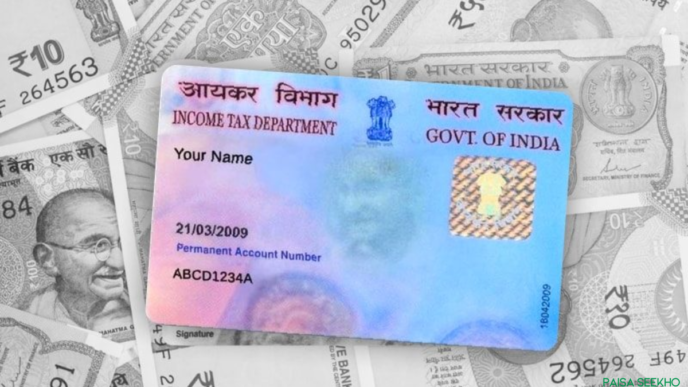
- What is it? Your Permanent Account Number (PAN) is a unique 10-digit alphanumeric code.
- Why you need it: It’s essential for all your tax-related activities.
2. Aadhaar Card
- What is it? A 12-digit unique identity number issued by the government.
- Why you need it: Linking your Aadhaar with PAN is mandatory for filing ITR.
3. Form 16
- What is it? A certificate provided by your employer.
- Contains: Details of your salary and Tax Deducted at Source (TDS).
- Why you need it: Helps you fill in your income and TDS details accurately.
4. Salary Slips
- What are they? Monthly statements from your employer showing your earnings and deductions.
- Why you need them: To cross-verify the details in Form 16 and understand your salary components.
5. Bank Statements or Passbooks
- What are they? Records of transactions in your bank accounts.
- Why you need them: To report interest income from savings accounts and fixed deposits.
6. Interest Certificates from Banks and Post Office
- What are they? Statements showing the interest earned on savings accounts, fixed deposits, or recurring deposits.
- Why you need them: To declare this income in your ITR.
7. Form 16A/16B/16C
- Form 16A: For TDS on income other than salary (like interest income).
- Form 16B: For TDS on sale of property.
- Form 16C: For TDS on rent.
- Why you need them: To claim credit for TDS deducted on various incomes.
8. Proof of Investments for Deductions
- What are they? Receipts and documents showing investments and expenses eligible for deductions under sections like 80C, 80D, etc.
- Examples include:
- Life insurance premium receipts.
- Public Provident Fund (PPF) passbook.
- Receipts for tuition fees paid.
- Investment proofs in tax-saving fixed deposits or mutual funds.
9. Home Loan Statements
- What is it? A statement from your bank showing interest and principal repayment on your home loan.
- Why you need it: To claim deductions under sections 24 (interest) and 80C (principal repayment).
10. Capital Gains Statements
- What are they? Records of profits or losses from selling assets like property, stocks, or mutual funds.
- Why you need them: To report capital gains or losses in your ITR.
11. Rent Receipts
- What are they? Receipts for rent paid to your landlord.
- Why you need them: To claim House Rent Allowance (HRA) exemption.
12. Insurance and Medical Bills
- What are they? Documents showing premiums paid for health insurance and medical expenses.
- Why you need them: To claim deductions under Section 80D.
13. Education Loan Statements
- What is it? A statement showing interest paid on an education loan.
- Why you need it: To claim deduction under Section 80E.
14. Form 26AS
- What is it? A consolidated annual tax statement available on the Income Tax Department’s website.
- Why you need it: To verify the TDS and tax payments made against your PAN.
15. Aadhaar Enrolment Number
- What is it? A 28-digit number if you have applied for Aadhaar but haven’t received it yet.
- Why you need it: You can use it in place of Aadhaar while filing ITR.
Example
Suppose Rahul is filing his ITR. He should collect:
- His PAN and Aadhaar cards.
- Form 16 from his employer.
- Bank statements showing interest earned.
- Receipts for his life insurance premiums.
- Home loan statement for claiming deductions.
Having these documents will help Rahul fill his ITR accurately and claim all eligible deductions.
Categories of Taxpayers
In India, individual taxpayers are classified based on their age and residential status.
1. Based on Age
- Individuals below 60 years
- Senior Citizens: Age 60 years or above but less than 80 years.
- Super Senior Citizens: Age 80 years or above.
Why Age Matters
Senior and super senior citizens enjoy higher basic exemption limits.
- Individuals below 60 years: Basic exemption up to ₹2.5 lakh.
- Senior Citizens: Basic exemption up to ₹3 lakh.
- Super Senior Citizens: Basic exemption up to ₹5 lakh.
2. Based on Residential Status
- Resident
- Non-Resident (NR)
- Resident but Not Ordinarily Resident (RNOR)
Note: Residential status affects the scope of income taxable in India.
Standard Deduction
The standard deduction is a flat amount that is deducted from your salary income, reducing your taxable income.
Key Points about Standard Deduction
- Amount: As of the financial year 2023-24, the standard deduction is ₹50,000.
- Who Can Claim: Available to salaried employees and pensioners.
- No Bills Required: You don’t need to submit any proof or bills to claim it.
Example of Standard Deduction
Suppose Meena has a salary income of ₹6,00,000.
- Less Standard Deduction: ₹50,000
- Taxable Salary: ₹6,00,000 – ₹50,000 = ₹5,50,000
Meena can further reduce her taxable income by claiming other deductions under sections like 80C.
Why Standard Deduction is Important
- Simplifies Tax Calculation: Replaces earlier allowances like medical and transport allowances.
- Benefit to Pensioners: Provides relief to pensioners who didn’t have allowances earlier.
Tax Slab Rates for Individuals (Old Tax Regime)
Here’s a simplified table of tax rates for individuals under the old tax regime:
| Taxable Income (₹) | Individuals Below 60 Years | Senior Citizens (60-80 Years) | Super Senior Citizens (Above 80 Years) |
| Up to ₹2,50,000 | Nil | Nil | Nil |
| ₹2,50,001 to ₹3,00,000 | 5% | Nil | Nil |
| ₹3,00,001 to ₹5,00,000 | 5% | 5% | Nil |
| ₹5,00,001 to ₹10,00,000 | 20% | 20% | 20% |
| Above ₹10,00,000 | 30% | 30% | 30% |
Note: A health and education cess of 4% is added to the tax amount.
Tax Slab Rates for Individuals (New Tax Regime)
Under the new tax regime introduced in Budget 2023:
| Taxable Income (₹) | Tax Rate |
| Up to ₹3,00,000 | Nil |
| ₹3,00,001 to ₹6,00,000 | 5% |
| ₹6,00,001 to ₹9,00,000 | 10% |
| ₹9,00,001 to ₹12,00,000 | 15% |
| ₹12,00,001 to ₹15,00,000 | 20% |
| Above ₹15,00,000 | 30% |
Note: Under the new tax regime, many deductions and exemptions are not available, but the standard deduction of ₹50,000 is now allowed.
Choosing Between Old and New Tax Regimes
- Old Tax Regime: Allows you to claim deductions and exemptions like HRA, 80C, 80D, etc.
- New Tax Regime: Offers lower tax rates but fewer deductions.
Example of Tax Calculation
Suppose Ravi, aged 35, has a taxable income of ₹7,50,000 after deductions.
Under Old Tax Regime
- Tax Calculation:
- Up to ₹2,50,000: Nil
- ₹2,50,001 – ₹5,00,000: 5% on ₹2,50,000 = ₹12,500
- ₹5,00,001 – ₹7,50,000: 20% on ₹2,50,000 = ₹50,000
- Total Tax: ₹12,500 + ₹50,000 = ₹62,500
- Add Health and Education Cess (4%): ₹62,500 × 4% = ₹2,500
- Total Tax Payable: ₹62,500 + ₹2,500 = ₹65,000
Under New Tax Regime
- Tax Calculation:
- Up to ₹3,00,000: Nil
- ₹3,00,001 – ₹6,00,000: 5% on ₹3,00,000 = ₹15,000
- ₹6,00,001 – ₹9,00,000: 10% on ₹1,50,000 = ₹15,000
- Total Tax: ₹15,000 + ₹15,000 = ₹30,000
- Add Health and Education Cess (4%): ₹30,000 × 4% = ₹1,200
- Total Tax Payable: ₹30,000 + ₹1,200 = ₹31,200
In this case, Ravi pays less tax under the new tax regime.
Important Points to Remember
- Assess Your Situation: Calculate taxes under both regimes to see which is more beneficial for you.
- Stay Updated: Tax laws can change with new budgets, so keep yourself informed.
- Consult a Professional: If you’re unsure, consider seeking advice from a tax expert.
Conclusion
Understanding personal income tax in India doesn’t have to be overwhelming. By grasping the basics you can take control of your finances. By being proactive and informed, you can turn tax season into an opportunity to enhance your financial well-being. Remember, every step you take towards understanding your taxes is a step towards greater financial freedom.
Frequently Asked Questions (FAQs)
1. What is the difference between the Financial Year and the Assessment Year?
Answer: The Financial Year (FY) is when you earn your income, running from 1st April to 31st March. The Assessment Year (AY) is the year right after the financial year, when you file your taxes and the government assesses your income. For example, income earned in FY 2022-23 is assessed in AY 2023-24.
2. Who needs to file an Income Tax Return in India?
Answer: If your total income exceeds the basic exemption limit (₹2.5 lakh for individuals below 60 years), you must file an Income Tax Return (ITR). Even if your income is below this limit, filing an ITR can be beneficial for obtaining loans or visas.
3. What is Section 80C, and how can it help me save tax?
Answer: Section 80C allows you to deduct up to ₹1.5 lakh from your taxable income by investing in certain schemes like Public Provident Fund (PPF), life insurance premiums, and tax-saving fixed deposits. This means you pay less tax.
4. How does Tax Deducted at Source (TDS) affect me?
Answer: Tax Deducted at Source (TDS) is when tax is taken out of your income (like salary or bank interest) before you receive it. This helps ensure that taxes are collected regularly. The TDS amount is adjusted against your total tax liability when you file your ITR.
5. What documents do I need to file my Income Tax Return?
Answer: You will need:
- PAN Card and Aadhaar Card
- Form 16 from your employer
- Bank statements and interest certificates
- Proof of investments for deductions (like Section 80C)
- Form 26AS to verify TDS
- Any other relevant financial documents
6. What is the standard deduction, and who can claim it?
Answer: The standard deduction is a flat amount of ₹50,000 that salaried individuals and pensioners can subtract from their income without needing any bills or proofs. It helps reduce your taxable income.
7. Can I switch between the old and new tax regimes?
Answer: Yes, salaried individuals can choose between the old and new tax regimes each year when filing their ITR. The old regime allows for deductions and exemptions, while the new regime offers lower tax rates but fewer deductions.
8. What is Section 87A, and am I eligible for a tax rebate?
Answer: Section 87A provides a tax rebate for individuals whose total taxable income does not exceed:
- ₹5 lakh under the old tax regime
- ₹7 lakh under the new tax regime
Eligible taxpayers can get a rebate of up to ₹12,500 or ₹25,000 respectively, reducing their tax payable to zero.
9. How do I pay self-assessment tax if I owe more tax?
Answer: If you owe additional tax after calculating your total liability, you can pay the self-assessment tax online through the TIN NSDL e-Payment Portal using Challan 280. After payment, include the details in your ITR.
10. What happens if I miss the deadline to file my ITR?
Answer: If you miss the deadline (usually 31st July for individuals), you can still file a belated return by a specified date (typically 31st December). However, you may have to pay a late filing fee and interest on any unpaid tax.