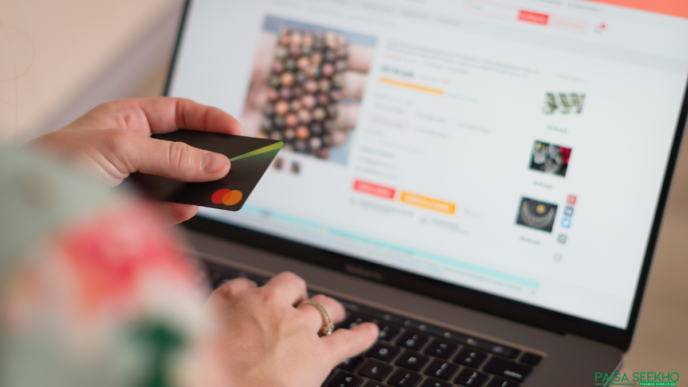
A recent survey by digital lending platform Moneyview, covering data across more than 700 districts in India, found something worth sitting with for a moment: 55 percent of borrowers used credit to shop online, and 52 percent used it to order food. This is not about buying a house or funding a wedding. This is everyday, small-ticket spending increasingly being funded through borrowed money. Here is what the data actually shows, and how to think about it if this pattern sounds familiar to your own habits.
What Did the Survey Actually Find?
Moneyview’s research found that Indians in 2025 showed renewed borrowing confidence, using credit not just for emergencies or essentials, but increasingly to fund lifestyle upgrades, mobility, home improvements, education, and family milestones. While healthcare and household needs remained steady, consistent reasons people borrow, it was these “progress-led” categories, including everyday digital spending like online shopping and food delivery, that saw the fastest growth.
Interestingly, the strongest surge in this kind of credit demand came not from major metros, but from emerging cities like Coimbatore, Indore, Bhubaneswar, Mysuru, Jaipur, and Nagpur, suggesting that Tier 2 markets are now showing credit usage patterns similar to what was previously seen mainly in bigger cities.
Why Is This Happening?
A few things are converging here. Digital lending and Buy Now Pay Later, or BNPL, options have made borrowing genuinely frictionless, often requiring just a few taps at checkout with no lengthy paperwork. E-commerce and food delivery have become deeply embedded daily habits for a huge number of Indians. And credit itself is increasingly being viewed less as a last resort and more as a routine financial tool, similar to how a credit card has long been used, just extended to smaller, more frequent purchases than before.
Is Using Credit for Small Purchases Actually a Problem?
Not automatically, but it depends heavily on the specific product and your own repayment discipline. There is a meaningful difference between a few common scenarios:
- Paying through a genuine BNPL option and clearing it within the interest-free window is functionally similar to using a credit card responsibly. If you pay on time, you are not paying extra for the convenience.
- Rolling over a BNPL balance past its interest-free period converts it into a loan with real interest, often in a range comparable to or higher than a credit card, sometimes between 18 and 36 percent annually, along with possible late fees.
- Taking an actual personal loan specifically to fund routine online shopping or food orders is a different matter entirely. Personal loans carry real interest from day one, and using one to fund something as small and recurring as a food delivery order means paying meaningful interest on money that will already be spent before the loan is even repaid.
The habit itself is not inherently harmful. The risk creeps in when the ease of getting credit outpaces your awareness of what it is actually costing you.
BNPL vs a Personal Loan: Know What You’re Actually Using
It is worth being clear-eyed about which of these you are actually using, since people sometimes use the terms loosely:
- BNPL is typically designed for smaller, short-term purchases, often interest-free if repaid within a set window, usually a few weeks to a couple of months.
- A personal loan is a larger, structured loan with a fixed EMI schedule and interest charged from the start, generally meant for bigger, planned expenses rather than routine daily spending.
If you find yourself using a personal loan specifically to cover routine shopping or food delivery, it is worth asking whether this reflects a cash flow gap that deserves a closer look at your monthly budget, rather than treating it as a normal, sustainable pattern.
If you are exploring BNPL options and want to compare what is actually available, we have covered the leading apps in more detail here: Best BNPL apps in India
What Happens If You Miss a Payment?
This is where the convenience of small, frequent credit can quietly turn expensive. Most BNPL providers in India now report your repayment behavior to credit bureaus, which means missed or late payments can genuinely affect your credit score, the same as a missed credit card payment would. Beyond the credit score impact, missed BNPL payments typically trigger late fees, and an unpaid balance can convert into an interest-bearing loan retroactively. What starts as a convenient way to order dinner without dipping into this month’s budget can turn into an outstanding debt with interest attached, if it is not tracked carefully.
How Do You Use This Kind of Credit Responsibly?
If you regularly use BNPL or similar small credit options, a few habits make a real difference:
- Treat every BNPL purchase as money already spent, not money you will figure out later, and set a reminder for the repayment date
- Avoid stacking multiple BNPL commitments across several apps at once, since it becomes genuinely easy to lose track of how much you actually owe across platforms
- Reserve personal loans for planned, larger expenses, not routine spending you could otherwise budget for within your regular income
- Periodically check your credit report to confirm your BNPL repayment history is being reflected accurately
The Bottom Line
There is nothing inherently wrong with using modern credit tools for everyday purchases, and for many people, used well, they genuinely add convenience without meaningful cost. The concern is not the tool itself, but how easily borrowing for small, forgettable purchases can accumulate into a pattern you are not fully tracking. If a recent survey showing more than half of borrowers are using credit for food delivery sounds uncomfortably familiar, it might be worth a quick, honest look at how many small credit commitments you are currently juggling.
Frequently Asked Questions
What percentage of Indians use loans or credit to shop online?
According to a Moneyview survey covering more than 700 districts, 55 percent of borrowers used credit to shop online, and 52 percent used it to order food, based on 2025 borrowing data.
Is it bad to use BNPL for small purchases like food delivery?
Not inherently, as long as you repay within the interest-free window. Problems arise when payments are missed or delayed, since this can trigger interest charges, late fees, and potentially affect your credit score.
Does missing a BNPL payment affect my credit score?
Yes, in most cases. Many BNPL providers in India now report repayment behavior to credit bureaus, meaning a missed or late payment can affect your credit score similarly to a missed credit card payment.
What is the difference between BNPL and a personal loan for everyday spending?
BNPL is typically designed for smaller, short-term purchases and is often interest-free if repaid within a set window. A personal loan is a larger, structured loan with interest charged from the start, generally better suited to planned expenses rather than routine daily spending.
Which Indian cities are seeing the fastest growth in this kind of borrowing?
The survey found the strongest surge in credit demand for everyday spending in emerging cities including Coimbatore, Indore, Bhubaneswar, Mysuru, Jaipur, and Nagpur, rather than in major metros.
How can I avoid falling into a debt trap with BNPL or small loans?
Track every BNPL purchase as already spent, avoid using multiple BNPL apps simultaneously without a clear picture of total dues, reserve personal loans for planned larger expenses, and check your credit report periodically to catch any repayment issues early.