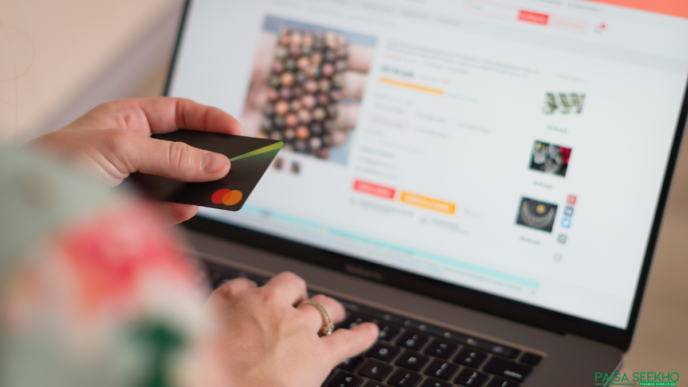

You open a shopping app to buy one thing, spot a “massive discount” and suddenly find yourself comparing three products you had no intention of buying. Somewhere along the way, a countdown timer appears, an extra charge joins the bill and the best-looking result turns out to be an advertisement. Online shopping is convenient, but understanding what you are actually being offered can take more effort than it should. A bargain should not require detective work.
India’s Consumer Protection (E-Commerce) (Amendment) Rules, 2026 will take effect on 1 January 2027. They strengthen requirements around discount disclosures, sponsored listings, consumer complaints and other online selling practices. These are notified amendments to the existing 2020 rules, rather than merely proposed changes. For shoppers, the aim is to make the information behind a purchase easier to see and assess.
How Will the New Rules Help You Check Whether a Discount Is Real?
When a platform or seller announces a price reduction, it must display the reduced price alongside the prior price. The government explains that this prior price means the lowest price at which the goods or services were offered during the preceding 30 days. This gives shoppers a recent price reference when evaluating an offer. A large percentage displayed beside an MRP will therefore not be the only number worth examining.
Imagine a mixer-grinder with an MRP of ₹6,000 that was offered for ₹3,200 during the previous 30 days. It now appears in a sale for ₹3,000, with a bold claim of “50% off”. The MRP comparison may look impressive, but the difference from that recent low is ₹200, or 6.25%. That might still be a useful saving, particularly if you already needed the appliance. It simply gives you a more realistic basis for deciding whether to buy today.
The requirement should not be read as a promise that the displayed offer beats every other seller. You should still compare the same model, warranty, delivery cost and final payable amount across stores. Check whether a bank offer or coupon has conditions you actually meet before counting it as a saving. A discount that requires you to spend another ₹2,000 deserves a moment’s thought before you congratulate yourself.
Will Sponsored Products and Search Rankings Become Clearer?
Sponsored listings must be clearly identified, and platforms cannot manipulate search results to mislead users about what they searched for. Marketplace platforms must also explain the main factors influencing rankings and their relative importance in accessible language. Paid promotion can therefore continue, but shoppers should be able to recognise it. These requirements are intended to make the reasons behind a product’s visibility easier to understand.
For your own comparison, treat the first result as the beginning of your search. Open a few alternatives, compare specifications and check who is selling each item. A sponsored product may suit you perfectly, but its position does not establish that it offers the best value. The useful question remains whether it meets your needs at a price you are comfortable paying.
What Will Change About Dark Patterns in Shopping Apps?
Dark patterns are design practices that mislead or pressure people into choices they might otherwise avoid. Familiar examples include false urgency, unwanted additions to a basket, hidden charges and subscription processes that make leaving unnecessarily difficult. India already has guidelines addressing these practices, issued in 2023. The problem did not become unacceptable only because a new calendar year was approaching.
The amendments require platforms to follow those guidelines, conduct a yearly self-audit and prominently display a compliance certificate. This adds a recurring obligation to examine the shopping experience for deceptive practices. For consumers, the practical habit remains to pause when a screen seems determined to rush or confuse them. Read what has been selected, check the amount payable and save evidence if something appears misleading.
Are Platform Fees and Membership Charges Being Banned?
The amendments do not create a blanket ban on every additional charge. They prohibit marketplaces from collecting bundled fees for services unrelated to the e-commerce platform, while providing an exception for loyalty or membership programmes and associated benefits. That distinction matters when assessing claims that all checkout fees will disappear in January. Whether a particular charge is permissible depends on what it covers and the applicable rules, not simply what the platform calls it.
Before paying, read the full breakdown and check whether you have selected any optional service or membership. Compare the final bill with the amount you expected when adding the product to your basket. If you use a credit option, check its repayment terms separately rather than treating a small instalment as the product’s full cost. Our guide to Buy Now Pay Later in India explains why the payment method deserves attention alongside the purchase price.
What Product and Seller Information Should You Be Able to See?
The amended provisions cover seller details and information needed before buying, including returns, refunds, exchanges, warranties, delivery and payment terms. They also address best-before or use-before information, with food-related requirements subject to the applicable food-safety framework. After purchasing, consumers can request additional seller information in writing where needed for effective dispute resolution. These disclosures help you understand both the product and the business behind the listing.
The amendments also require the seller’s name on the invoice to be displayed prominently in the same font size as the platform’s name. For imported goods, the rules address disclosure of importer details and the full country-of-origin name. When buying an expensive item, save the listing and invoice together so you can refer to what was represented at purchase. That is easier than trying to reconstruct a product page after the listing has changed.
Do the New Rules Give Platforms Unlimited Permission to Use Your Data?
The amendments restrict specified uses of information collected by marketplaces involving goods bearing the marketplace’s brand or name and promotion of associated sellers. Express and affirmative consumer consent is relevant to the specified promotional uses. These provisions should not be reduced to a sweeping claim that every form of data collection or personalised recommendation is banned. The purpose for which information is used matters.
When a platform asks for permission, read what the permission actually covers. Consider whether you want the marketing, membership or related service being offered. Save the wording if it appears inconsistent with what happens afterwards. A consent screen is worth a few seconds of attention, especially when the convenient button is also the broadest permission.
How Will Online Shopping Complaints Be Handled?
The amended rules require consumers to receive a copy of the complaint as recorded by the platform’s grievance officer. They also make participation in the National Consumer Helpline’s convergence process mandatory for e-commerce entities. Together, these measures are intended to improve complaint records and connect platforms with the national grievance system. Keep your own copy too, so you can check that the recorded complaint accurately describes the problem.
The requirement to acknowledge a complaint within 48 hours and redress it within one month already existed under the 2020 framework and is retained in the amended text. It should not be presented as an entirely new January 2027 benefit. Nor does acknowledgement within 48 hours mean that every refund must reach your account within that period. Keep the complaint-handling deadline separate from the particular remedy and payment process involved.
If you need to complain, build a clear record:
- Save the evidence: Keep the listing, price claim, checkout breakdown, invoice and relevant screenshots.
- Contact the platform: State the order number, problem, dates and remedy you are requesting.
- Use the grievance channel: Keep the acknowledgement and the recorded complaint.
- Approach the National Consumer Helpline: Register through its portal or call 1915 if you need further assistance.
The National Consumer Helpline provides several ways to register a grievance. It operates as a pre-litigation mechanism, rather than a court awarding compensation in every case. If the matter remains unresolved, the appropriate Consumer Commission may be the next route. Preserve the full correspondence so you can explain what happened without starting your evidence collection again.
How Can You Make Better Buying Decisions Under the New Rules?
Use the additional information to answer three practical questions: do you need the product, is the final price reasonable and are the purchase terms acceptable? A clearly labelled advertisement can still tempt you, and a genuine discount can still exceed your budget. If sales regularly disrupt your monthly finances, our guide to creating a monthly budget can help you decide your spending limit before opening the app. The best time to choose that limit is before the countdown timer starts negotiating with you.
What Are the Frequently Asked Questions About the New Online Shopping Rules?
When Do India’s New Online Shopping Rules Start?
The Consumer Protection (E-Commerce) (Amendment) Rules, 2026 take effect on 1 January 2027. They amend the existing e-commerce framework rather than replacing all consumer protections with a completely new system. Shoppers should distinguish the new requirements from rights that already apply. You do not need to wait until January to raise an existing consumer grievance.
Will Online Sales and Discounts Be Banned From January 2027?
No, the amendments do not ban sales or discounts. They require the prescribed prior price to accompany an announced reduced price, helping shoppers evaluate the offer. This is a disclosure requirement, not a guarantee that every sale will deliver the biggest available saving. Compare the final price and purchase terms before deciding.
Will Sponsored Listings Disappear From Shopping Apps?
No, sponsored listings can continue, but they must be clearly identifiable. A paid placement should not be mistaken for an independent recommendation purely because it appears prominently. Check the product and seller in the same way you would assess any other listing. Visibility is useful for discovering a product, but it is not proof of quality.
Will Every Product Become Returnable Under the New Rules?
The amendments do not introduce a universal change-of-mind return right for every product. They require relevant return, refund and exchange information to be provided to consumers. Read those terms before buying, particularly where a listing specifies replacement rather than refund. A product problem and a simple change of preference should be explained accurately when raising a claim.
Does the Membership Exception Allow Platforms to Add Subscriptions Without Consent?
The exception for loyalty and membership programmes does not remove the separate requirements addressing deceptive practices and consumer consent. An unwanted membership added during checkout should not be dismissed simply because memberships appear in an exception. Check what you agreed to and save evidence if the selection was made without your permission. The CCPA has already addressed practices involving pre-selected additions and impaired consent under the existing framework.
Where Can I Complain About a Misleading Online Offer?
Start by recording the offer and raising the issue through the platform’s customer-service or grievance channel. Include the product link, screenshots, dates and any order or payment details. You can also register a consumer grievance through the National Consumer Helpline portal or call 1915. Keep the reference number and follow-up responses together so you can track the case.
Last Updated on 16 hours ago by Team Paisaseekho