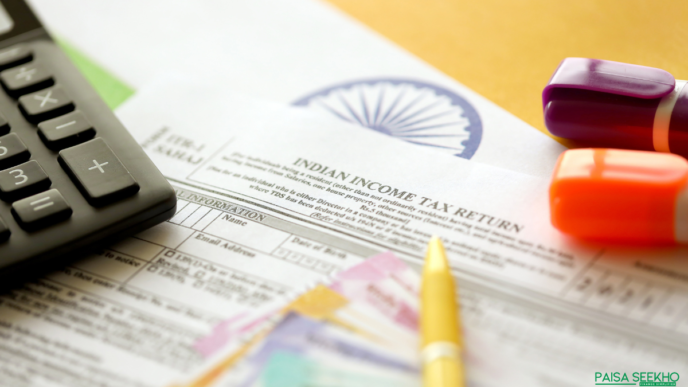
If you have received a message claiming you owe additional tax and need to pay immediately, take a breath before you act on it. On August 12, 2026, the government’s PIB Fact Check team confirmed that a widely circulating message asking recipients to pay Rs 6,000 as a tax demand is completely fake, and part of a phishing attempt. This is not an isolated incident either. Fake tax notices, emails, and messages have been circulating in waves throughout this year, and refund season makes people especially vulnerable to them. Here is how to recognise one, and what to actually do if you get one.
What Exactly Is the Rs 6,000 Tax Demand Scam?
The message circulating online impersonates the Income Tax Department and asks the recipient to pay Rs 6,000 as part of their tax payable amount. PIB Fact Check has clearly stated that this notice is fake and that the Income Tax Department has not issued it. The message is designed to look like an official government communication, which is exactly what makes it dangerous.
Why Does This Kind of Message Work So Well?
Timing is the key ingredient here. This warning came during income tax refund season, when many taxpayers are actively expecting a refund or checking whether they have any outstanding dues. A message claiming you suddenly owe more tax fits neatly into what people are already thinking about, which makes it feel far more credible than it should. This sense of urgency is precisely what pushes people to act quickly, sometimes clicking a payment link or sharing personal details before pausing to verify anything.
What Other Fake Tax Messages Have Been Reported?
The Rs 6,000 demand is just one variant in a broader, ongoing pattern this year. PIB Fact Check has separately flagged several other fake communications impersonating the Income Tax Department, including:
- Fake emails claiming a tax demand for a specific assessment year, directing recipients to click a link to view a fake “Assessment Order”
- Fake emails citing supposed compliance gaps or discrepancies in return filings
- Fake refund related emails asking taxpayers to “manually verify” documents through a link
- Fake e-PAN card offers asking recipients to download their PAN through a suspicious link
Security researchers tracking these campaigns describe them as deliberate and sustained, using official looking formats, real legal citations, and even bilingual content to appear convincing. Some of these campaigns go beyond simply asking for a payment and instead attempt to install malware capable of stealing credentials or gaining remote access to your device once a link is clicked.
How Can You Tell a Fake Notice From a Real One?
A few consistent signs apply across nearly all of these scams:
- The Income Tax Department never asks for passwords, OTPs, or bank details through email, SMS, or phone calls. Any message requesting this information directly is a red flag on its own.
- Genuine departmental emails only come from official domains, such as addresses ending in @incometax.gov.in. Check the sender’s actual email address carefully, not just the display name.
- Real tax communications do not pressure you to click an external link to make an urgent payment. Genuine notices and demands are reflected in your account on the official e-filing portal.
Wait, Could I Actually Owe Tax Even If This Message Is Fake?
This is an important nuance the PIB warning itself makes clear. The fact that a specific message is fake does not mean you definitely have no outstanding tax at all. Genuine demands can exist for real reasons, such as a mismatch between your reported income and what your employer or bank reported, discrepancies in tax credits, or issues from an earlier assessment. The point is not to assume every tax related message is automatically fake and ignore it entirely. The point is to never trust an unsolicited link or number to verify or pay it. Instead, log in directly to the official income tax e-filing portal at incometax.gov.in and check your account for any genuine outstanding demand.
What Should You Do If You Get One of These Messages?
If you receive a message like this, follow these steps rather than reacting immediately:
- Do not click any link included in the message
- Do not share your PAN, bank details, passwords, or OTP with anyone contacting you this way
- Log in directly to incometax.gov.in using your own bookmark or by typing the address yourself, and check your account for any actual outstanding demand
- If nothing appears in your account, treat the message as fake and do not respond to it further
- If something genuinely appears in your account, address it only through the official portal, not through the original message
How Do You Report a Phishing Attempt?
The government has set up dedicated channels to report exactly this kind of fraud. You can report suspicious content impersonating government departments to the PIB Fact Check team, and phishing emails specifically impersonating the Income Tax Department can be reported directly to the department’s designated phishing report email address. Reporting these messages, even if you did not fall for them, helps authorities track and shut down the infrastructure behind these campaigns faster.
The Bottom Line
Scammers time these messages deliberately around tax season, betting on the fact that a mix of refund anticipation and notice anxiety will make people act first and verify later. The safest habit to build is simple: never trust a tax related demand or link that arrives unsolicited through SMS, email, or a message forward. Always verify directly through the official portal, and treat urgency itself as a warning sign rather than a reason to act faster.
Frequently Asked Questions
Is the Rs 6,000 income tax demand message real?
No. PIB Fact Check confirmed on August 12, 2026 that this message is fake and part of a phishing attempt. The Income Tax Department has not issued any such demand through this message.
Does the Income Tax Department ever ask for OTP or bank details through SMS or email?
No. The Income Tax Department never requests passwords, OTPs, or banking details through email, SMS, or phone calls. Any message asking for this information directly should be treated as fraudulent.
How can I check if I genuinely owe any tax?
Log in directly to the official income tax e-filing portal at incometax.gov.in using your own credentials, and check your account for any actual outstanding demand. Never verify this through a link provided in an unsolicited message.
What should I do if I already clicked a link in a fake tax message?
Avoid entering any personal or financial information if you have not already done so. If you have shared sensitive details or suspect your device may be compromised, change your passwords immediately, monitor your bank accounts closely, and consider having your device checked for malware.
Where can I report a fake tax message or phishing attempt?
You can report suspicious content impersonating government departments to the PIB Fact Check team, and report phishing emails impersonating the Income Tax Department directly to the department’s official phishing report email address.
If a tax message is fake, does that mean I definitely don’t owe any tax?
Not necessarily. A specific fake message being false does not rule out a genuine outstanding demand for other reasons, such as income mismatches or earlier assessment issues. Always verify your actual status directly through the official e-filing portal rather than assuming either way based on an unsolicited message.