
TL;DR: Key Takeaways for the Future of Silver Investment
If you are short on time, here are the most important facts you need to know about where silver is heading:
- The Green Energy Superstar: The future of silver is directly tied to solar panels and Electric Vehicles (EVs). Both of these green technologies need massive amounts of silver to work properly.
- We Can’t Dig Fast Enough: Over 70% of silver is found by accident when mining for other metals like copper. Because of this, mining companies cannot easily increase the silver supply, even when the world desperately needs more of it.
- The Tech Backbone: Every new 5G internet tower, smartphone, and smart-home device uses silver. As global technology grows, so does the absolute need for silver.
- A Shield Against Inflation: Just like gold, silver protects your hard-earned money when inflation is high and paper money loses its purchasing power.
- New, Smarter Ways to Invest: You no longer have to buy heavy physical silver and pay steep making charges. Digital Silver and Silver ETFs make it incredibly easy to invest safely with just a few clicks on your smartphone.
Introduction
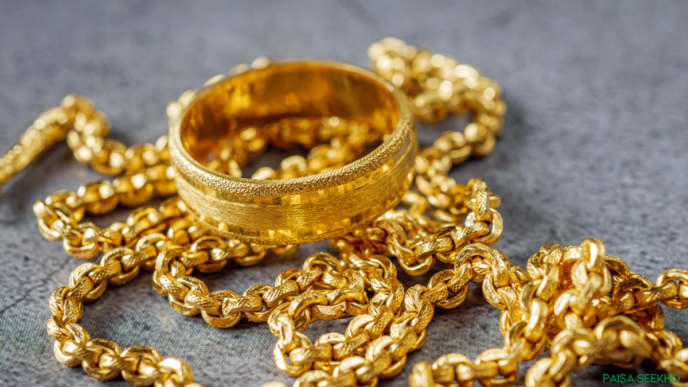
For generations, families have bought silver coins for Diwali, gifted silver utensils for the birth of a child, and bought heavy silver anklets for weddings. In our culture, silver has always been a traditional, reliable way to save money. Because it is much cheaper than gold, it is often called the “poor man’s gold.”
But when we look into the future, the story of silver is completely changing.
Silver is no longer just a shiny metal used to make beautiful jewelry or decorative plates. It is quickly becoming the most important raw material for the future of modern technology and clean energy. If you are a young investor looking to grow your wealth over the next ten to twenty years, understanding where silver is heading is incredibly important.
This comprehensive guide will explain exactly why silver is changing from a simple precious metal into a global industrial powerhouse. We will break down what is driving the demand, why the supply is running low, and the smartest ways you can invest in it today.
1. The Solar Panel Boom: Silver’s Biggest Driver
If you want to know the future of silver, you just have to look up at the sun.
The entire world is currently trying to stop using fossil fuels like coal and oil because they cause pollution and climate change. To fix this, countries are switching to renewable, clean energy. The biggest and most popular source of this clean energy is solar power.
But how does a solar panel actually turn sunlight into electricity? The secret ingredient is silver.
Silver is the most electrically conductive metal on the planet. This means electricity flows through silver better than it flows through copper, aluminum, or gold. Every single solar panel made today uses a special silver paste. When the sun hits the solar panel, the silver paste is what actually captures the electrical current and carries it out of the panel so it can power your home.
As countries like India, the United States, and China build massive solar farms to meet their climate goals, the demand for silver is going through the roof. A decade ago, the solar industry barely used any silver. Today, it consumes hundreds of millions of ounces of silver every single year. Because the world is only just beginning its transition to solar energy, this massive demand is guaranteed to grow for decades, pushing the value of silver higher.
2. The Electric Vehicle (EV) Revolution
The cars of the future are electric, and they are incredibly hungry for silver.
Think about a normal car that runs on petrol or diesel. It has an engine, a fuel tank, and a few electrical parts like the radio and the headlights. It uses a very tiny amount of silver for its basic electrical connections.
Now, compare that to an Electric Vehicle (EV). An EV is basically a giant, highly advanced computer on wheels. It does not have a traditional engine. Instead, it relies on massive battery packs, complex battery management systems, large touchscreen displays, and hundreds of sensors for self-driving technology.
All of these high-tech parts require perfect electrical connections to work instantly and safely without overheating. Because silver handles electricity and heat better than anything else, EV manufacturers have to use it. An Electric Vehicle uses significantly more silver than a traditional petrol car.
As the world slowly stops buying petrol cars and switches entirely to EVs over the next 10 to 15 years, the global automotive industry will need more silver than ever before. This creates a massive, unstoppable wave of future demand.
3. Modern Technology and the 5G Upgrade
Even if we ignore solar panels and electric cars, the basic technology we use every single day relies heavily on silver.
Think about all the devices around you right now. Your smartphone, your laptop, your television, and your Wi-Fi router. Silver is inside almost all of them. Silver does not rust easily, and it is highly reliable. Because our electronics are getting smaller and more powerful every year, manufacturers have to use high-quality silver to make sure the tiny computer chips do not melt or break down.
Furthermore, the world is currently upgrading to 5G internet. 5G is much faster than 4G, but it requires thousands of new cell phone towers and massive data centers to work. All of these new towers and data centers use silver components.
As we move into an era of Artificial Intelligence (AI), smart cities, and connected devices, the technology sector will continue to buy up a huge portion of the global silver supply year after year.
4. The Supply Problem: Why We Can’t Just Dig More
You might be thinking: “If we need so much silver for solar panels, cars, and smartphones, why don’t mining companies just dig up more silver?”
This is where the economics of silver get really interesting. The supply of silver is “inelastic,” which is a fancy way of saying it cannot stretch or grow easily to meet demand.
Here is the secret about silver mining: most silver is not found in dedicated silver mines. In fact, more than 70% of the world’s silver is found completely by accident. It is extracted as a “byproduct” when mining companies are actually digging into the earth looking for other industrial metals like copper, zinc, or lead.
Imagine a company that makes its money by selling copper. If the price of silver suddenly doubles because the world needs more solar panels, the copper company is not going to spend billions of dollars to drastically expand its entire mining operation just to get a tiny bit of extra byproduct silver. It doesn’t make financial sense for them.
Because of this, mining companies cannot just flip a switch to magically increase their silver production overnight. Right now, the world is in a “silver deficit.” This means factories and investors are buying and using more silver every year than miners are pulling out of the earth. In basic economics, when demand is very high but the supply is low and restricted, the price naturally has to go up.
5. Silver as Real Money: The Ultimate Inflation Shield
While industry and technology are the new drivers for silver, we cannot forget its oldest job: acting as real, hard money.
To understand this, we need to understand inflation. Inflation is the rate at which the cost of everyday goods goes up. You have probably noticed that a movie ticket or a cup of coffee costs much more today than it did five years ago. This happens because governments and central banks constantly print more paper money. When there is too much paper money floating around, the value of each individual rupee or dollar goes down. This means your savings lose their purchasing power.
Silver, just like gold, is a finite resource. A government cannot print a silver bar out of thin air in a factory. It has to be discovered, mined, refined, and shipped. Because it has real, physical scarcity, it holds its value over time.
When inflation gets really high and people start to lose faith in paper money, they panic. To protect their life savings, they take their cash out of the bank and buy “hard assets” like gold and real estate. However, gold is very expensive. A single ounce of gold costs thousands of dollars. Silver, on the other hand, is much cheaper and more accessible.
Because it is affordable, millions of everyday retail investors rush to buy silver coins and bars during tough economic times to protect their wealth. This massive wave of investment demand acts as a powerful shield for your savings, ensuring that your wealth grows even when paper money is losing its value.
6. The Danger of Traditional Physical Jewelry
For a long time, the only way a normal person could invest in silver was to go to a local jeweler and buy heavy physical items. You might buy silver plates, heavy chains, or traditional coins.
While these items are beautiful for festivals and cultural events, they are actually terrible financial investments.
When you buy a piece of silver jewelry, you are not just paying for the raw metal. You are paying a huge premium for the “making charges” (the cost of the craftsman designing it) and heavy taxes. Often, making charges can be 15% to 20% of the total price.
If you try to sell that same silver chain back to the jeweler a few years later to get your money, the jeweler will not pay you for the design. In fact, they will deduct more money for “melting loss” and impurities. Because of all these hidden fees and cuts, the actual market price of silver has to jump up massively just for you to break even on your jewelry purchase.
If you want to treat silver as a serious investment to grow your wealth, you have to stop thinking about it as jewelry. You need to look at modern, digital investment tools.
7. How to Invest in Silver Today (The Smart Way)
The future of silver investing is entirely digital. It is safe, simple, and you don’t even need a safe in your house to protect it. Here are the two best ways to invest in silver today:
Silver Exchange-Traded Funds (ETFs)
A Silver ETF is basically a mutual fund that you can buy and sell on the stock market using your standard Demat account.
- How it works: When you buy a share of a Silver ETF, the fund manager takes your money, buys real physical silver at the wholesale market rate, and locks it in a highly secure, insured vault on your behalf.
- The Benefits: You get all the price benefits of owning silver without ever having to touch it. There are absolutely zero making charges. You don’t have to worry about thieves breaking into your house to steal it, and you don’t have to worry about a jeweler tricking you with impure metal. It is 100% pure, and you can sell your shares instantly during market hours.
Digital Silver
If you don’t have a stock market account, you can still easily invest. Many popular UPI payment apps and digital brokerages now offer “Digital Silver.”
- How it works: You can buy pure silver digitally for as little as ₹100. The app tracks the live, second-by-second international market price of silver.
- The SIP Advantage: The best part of Digital Silver is that you can set up a Systematic Investment Plan (SIP). You can tell the app to automatically buy ₹500 worth of silver on the 1st of every month. This strategy is called “Rupee Cost Averaging.” By buying a little bit every month, you don’t have to worry about timing the market. When the price is high, you buy a little less. When the price drops, your ₹500 automatically buys more silver. Over a few years, this builds a massive, highly profitable portfolio.
8. Understanding the Risks of Silver Investment
While the future of silver is incredibly bright, it is important to be honest about the risks. Silver is not a completely smooth, peaceful investment. It is known for being highly volatile.
Because silver is a much smaller market than gold, it doesn’t take as much money to push the price around. If a few large hedge funds decide to sell their silver, the price can drop very suddenly.
Furthermore, because silver is tied so heavily to industries (like cars and technology), it is sensitive to the overall global economy. If the world enters a severe economic recession and people lose their jobs, they stop buying new smartphones and new electric cars. When factories slow down, the industrial demand for silver drops, which can cause the price of silver to fall in the short term.
Therefore, you should never put all of your life savings into silver. Financial experts usually suggest keeping a balanced portfolio. You should have most of your money in safe fixed deposits and strong company stocks (equity), while keeping about 5% to 10% of your total wealth in precious metals like silver and gold. This gives you the perfect balance of steady growth and safe protection.
Conclusion: A Bright and Shiny Future
For decades, silver was pushed to the side, treated like nothing more than gold’s less-impressive little brother. But the future is finally giving silver its own, massive spotlight.
Because it is an absolutely essential ingredient for the modern, green world—powering our clean cars, our solar-powered homes, and our lightning-fast internet—silver has a guaranteed, structural baseline of heavy demand for the next few decades. Combine that massive tech demand with its historical ability to protect everyday people from the dangers of inflation, and you have the perfect modern asset.
By understanding these global changes, avoiding the trap of expensive physical jewelry, and using smart tools like Silver ETFs or monthly Digital SIPs, you can safely grow your wealth alongside the incredible technologies of tomorrow.
Frequently Asked Questions (FAQs)
Q1: Is silver a better investment than gold for the long term?
They are both excellent, but they serve different purposes. Gold is the ultimate, stable safe haven for storing wealth. Silver, on the other hand, is an industrial metal. Because of the booming demand from the solar and tech industries, silver actually has the potential to grow faster in percentage terms than gold. However, it is also much more volatile, meaning its price jumps up and down a lot more than gold does.
Q2: Can I become super rich quickly by investing in silver?
No. Silver is a fantastic way to protect your savings from inflation and grow your wealth steadily, but it is not a “get rich quick” scheme or a lottery ticket. It is a long-term investment. You should slowly buy small amounts over many years to build a strong, reliable safety net for your future.
Q3: Why don’t scientists just use copper instead of silver for solar panels?
Scientists and engineers have tried very hard to find a cheaper replacement for silver, but they haven’t been successful. Silver is simply the undisputed king of conducting electricity and heat. If manufacturers replace silver with a cheaper metal like copper, the solar panels become much less efficient, generate less electricity, and break down much faster. Right now, there is no real substitute.
Q4: Should I buy heavy silver chains or utensils as an investment?
Buying silver jewelry or utensils is a wonderful way to celebrate cultural traditions and fashion, but it is a very bad financial investment. When you buy these items, you pay high “making charges” and taxes. When you want to sell them for cash, the jeweler will cut money for “melting loss.” You will lose a large chunk of your initial money. For pure investment, always choose Silver ETFs or Digital Silver.
Q5: What happens to my Digital Silver if the app I bought it on goes bankrupt?
Your money is completely safe! When you buy Digital Silver on a regulated, trusted app, the actual physical silver is stored in a highly secure vault managed by an independent, government-approved trustee (like Safegold or MMTC-PAMP). The app is just the middleman connecting you to the vault. Even if the app completely shuts down, your silver is legally yours and remains safe in the vault.
Q6: Does a global war or crisis make the price of silver go up?
Usually, yes. When there is a major global crisis, war, or pandemic, people get very scared about the stock market crashing. In times of panic, investors pull their money out of risky stocks and put it into “safe haven” assets like gold and silver. This massive wave of fear-based buying usually drives the price of silver up quickly.
Q7: How does the US Dollar affect the price of silver in India?
In the global market, silver is priced in US Dollars. If the US Dollar becomes very strong, it takes fewer dollars to buy silver, so the global price drops. However, in India, we import silver. If the Indian Rupee becomes weaker against the Dollar, it will cost us more Rupees to import the same amount of silver, which can make the local price go up even if the global price is flat.
Q8: Will the supply of silver ever completely run out?
Silver will not completely disappear from the earth, but the easily accessible silver is running low. Mining companies have to dig deeper and spend much more money to extract the same amount of silver they used to get easily ten years ago. This increasing difficulty and cost of mining is what will help support higher silver prices in the future.
Q9: Do I have to pay income tax on the profits I make from selling silver?
Yes. Whether you sell physical silver bars, Silver ETFs, or Digital Silver at a profit, the government considers it a capital gain. You will have to pay Capital Gains Tax. The exact percentage you pay depends on how long you held the silver (Short-Term vs. Long-Term) and your personal income tax slab.
Q10: What is the absolute best way for a beginner to start investing in silver today?
The safest and easiest way for a beginner is to start a small Systematic Investment Plan (SIP) in a Silver ETF or a Digital Silver platform. Start with an amount you are comfortable with, even if it is just ₹500 or ₹1,000 a month. Set it to auto-pay and forget about it. This builds the habit of investing without the stress of watching the daily market prices.
⚠️ Disclaimer:
At Paisaseekho, our mission is to make you financially literate. The information provided in this article is for educational and informational purposes only and should not be construed as professional tax or legal advice.
Last Updated on 3 weeks ago by Team Paisaseekho